
MTP/MPO Trunk Cables for High-Density Data Center Links
Pre-terminated multifiber assemblies used to connect cassettes, patch panels and direct-connect equipment across main, horizontal and equipment distribution areas.
An MTP/MPO trunk cable is a factory-terminated multifiber backbone assembly. It consolidates multiple fibers into compact connectors so high-density links can be installed and reconfigured with less field termination.
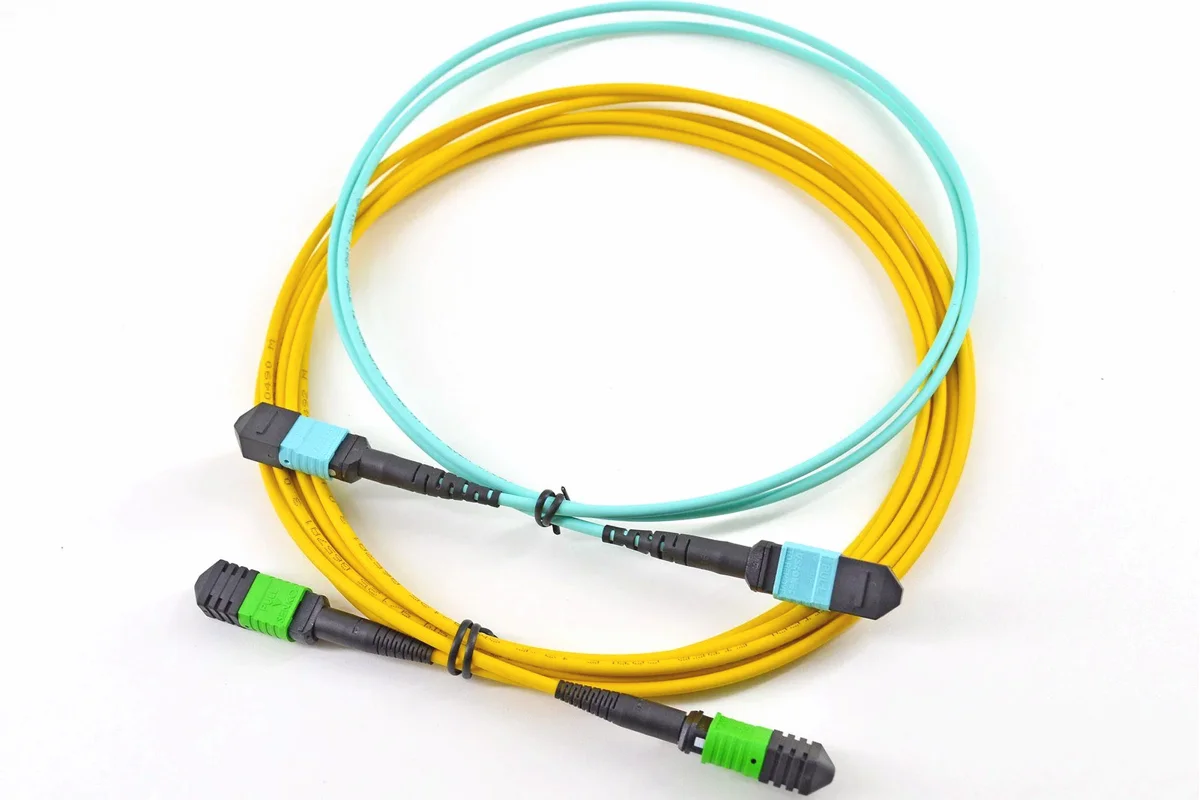
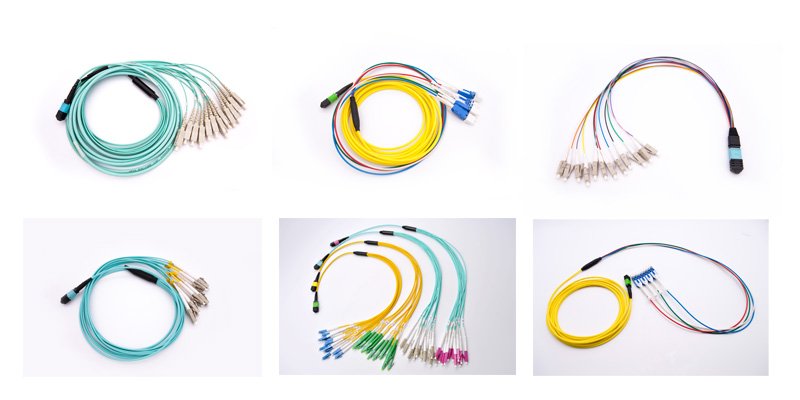
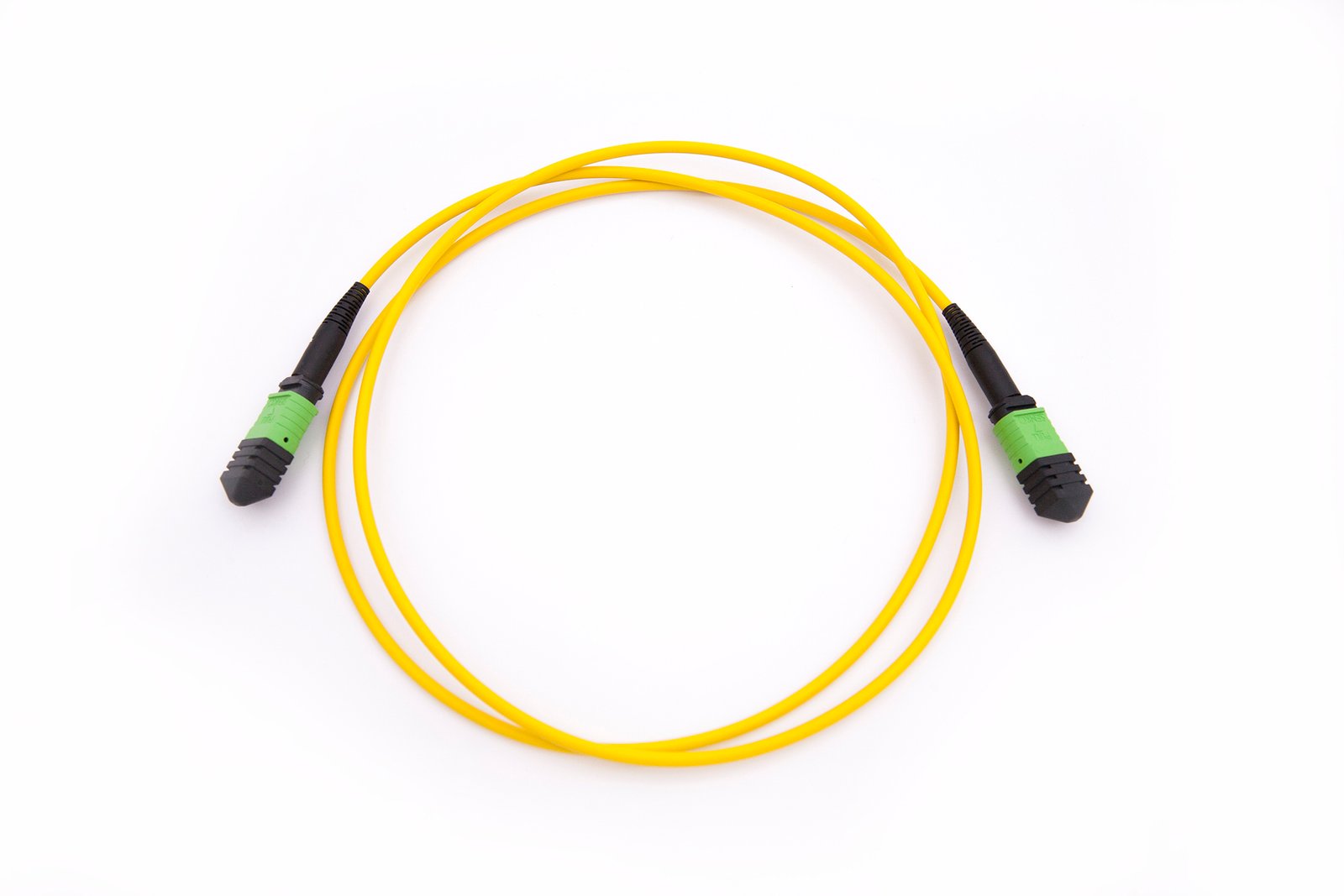
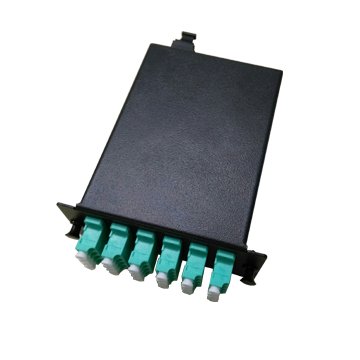
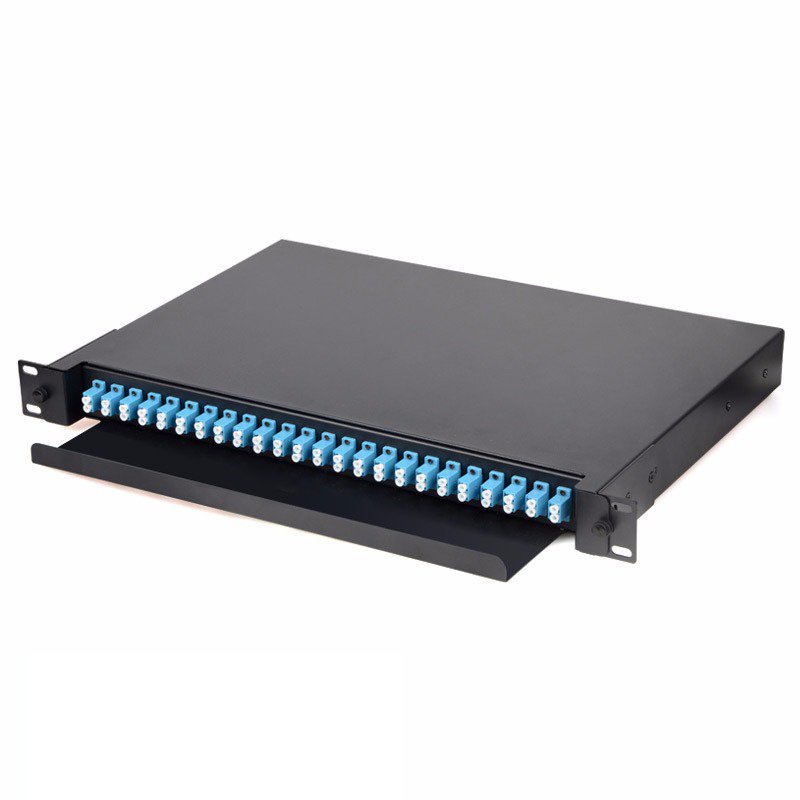
Specify the assembly as part of the complete cabling system.
The correct trunk cable depends on the transceiver interface, fiber architecture, polarity plan, enclosure layout, route and test requirements.
High-density backbone
Connect MTP/MPO cassettes and patch panels across structured data center distribution areas.
Direct-connect architecture
Build equipment links where the selected transceiver and network design support a direct multifiber interface.
Migration-ready planning
Coordinate fiber count, connector interface and polarity with current deployment and future migration requirements.
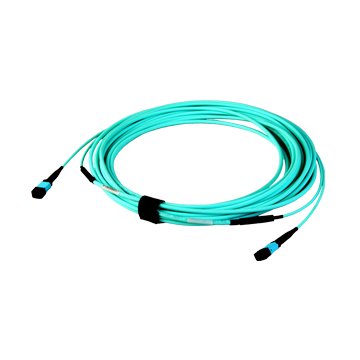
Reduce field termination while keeping configuration controlled.
Trunk assemblies arrive terminated for connection to compatible system components. The value is not only installation speed; it is the ability to define the complete assembly before it reaches the site.
Define these options before requesting a quote.
This table is the reusable decision core for JHT NetFiber product pages. Final availability and performance targets are confirmed against the selected construction.
| Configuration field | Available direction | Why it matters |
|---|---|---|
| Fiber type | OS2 singlemode; OM3 or OM4 multimode | Must match the optics, wavelength and link architecture. |
| Fiber count | Common supplied configurations span 8 to 144 fibers* | Determines connector count, cable construction and panel density. |
| Connector platform | MTP or MPO; male or female | Must match adapters, cassettes, transceivers and pinned/unpinned interfaces. |
| Polarity | Method A, Method B or Method C | Controls transmit-to-receive mapping across the complete channel. |
| End-face / polish | PC or APC where applicable | Depends on fiber mode, connector platform and system design. |
| Cable jacket | LSZH, OFNR or OFNP options listed in supplied documentation | Select according to installation environment and project requirements. |
| Length and breakout | Project-defined overall and breakout lengths | Needs to match route, cabinet position and cable-management plan. |
| Loss grade and records | Standard or low-loss target; documentation confirmed per RFQ | Must be evaluated against the channel loss budget and approval process. |
*The supplied JHT source documents include 8-fiber and 12-144-fiber directions. Confirm the exact construction, fiber count and performance package for the requested assembly.
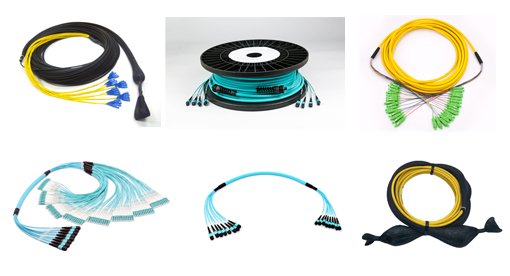
Compare trunk-cable constructions and connector details.
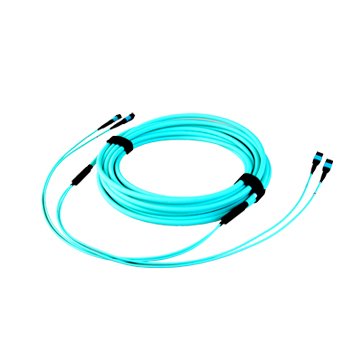
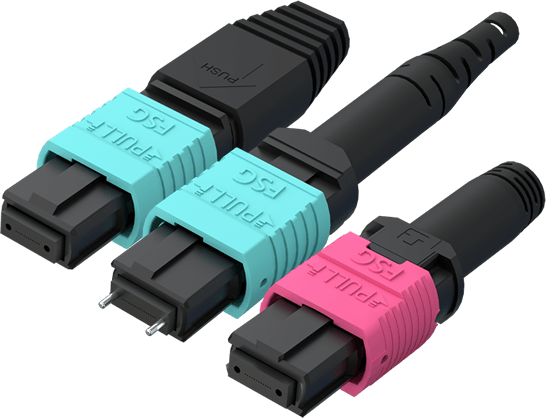
Turn the link requirement into a reviewable cable specification.
For the clearest quotation, share the architecture and constraints rather than only a generic part name.
Share the application
Data rate, optics, distribution areas, quantity and target route.
Define the interfaces
Fiber type, fiber count, MTP/MPO platform, gender and polish.
Confirm channel logic
Polarity method, cassette or direct-connect design and loss budget.
Agree approval evidence
Sample, labeling, packaging and applicable test documentation.
Testing requirements should match the selected assembly.
JHT source specifications reference optical testing, polarity, end-face quality and mechanical/environmental test methods. The applicable values and report package must be confirmed for the quoted construction.
Questions to resolve before ordering MTP/MPO trunk cables.
Short, complete answers support both procurement decisions and machine-readable product understanding.
Planning an 800G breakout channel? Review the MPO-16 to LC breakout engineering guide for lane mapping, polarity and loss-budget inputs.
What information should a trunk-cable RFQ include?
Include fiber type, fiber count, connector platform and gender, polarity, polish, jacket, overall length, breakout length, quantity, labeling, pulling-eye requirement and required test documentation.
How do I choose Method A, B or C polarity?
Choose polarity as part of the complete channel, including trunks, cassettes, patch cords and transceiver interfaces. Do not select a trunk polarity independently from the rest of the link.
Can JHT review a cable schedule or drawing?
Yes. A drawing or cable schedule can be used to clarify lengths, interfaces, polarity, labeling and system relationships before quotation.
Are low-loss assemblies available?
The supplied documentation includes standard and low-loss directions, but the target values and applicable construction should be confirmed for the specific RFQ and link loss budget.
When is a pulling eye useful?
A pulling eye can protect terminated ends during installation through pathways. Its need and dimensions should be reviewed against the actual route and installation method.