
More fibers in the pathway. More clarity in the specification.
High-fiber-count cable systems for data center, telecom and backbone routes, organized around density, cable geometry, splicing workflow, jacket performance and installation conditions.
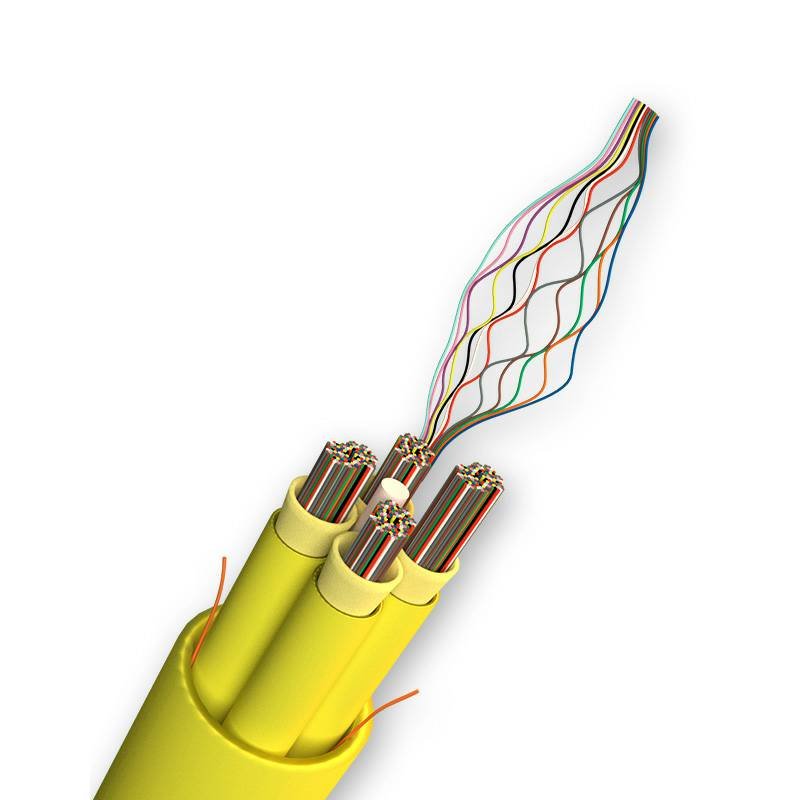
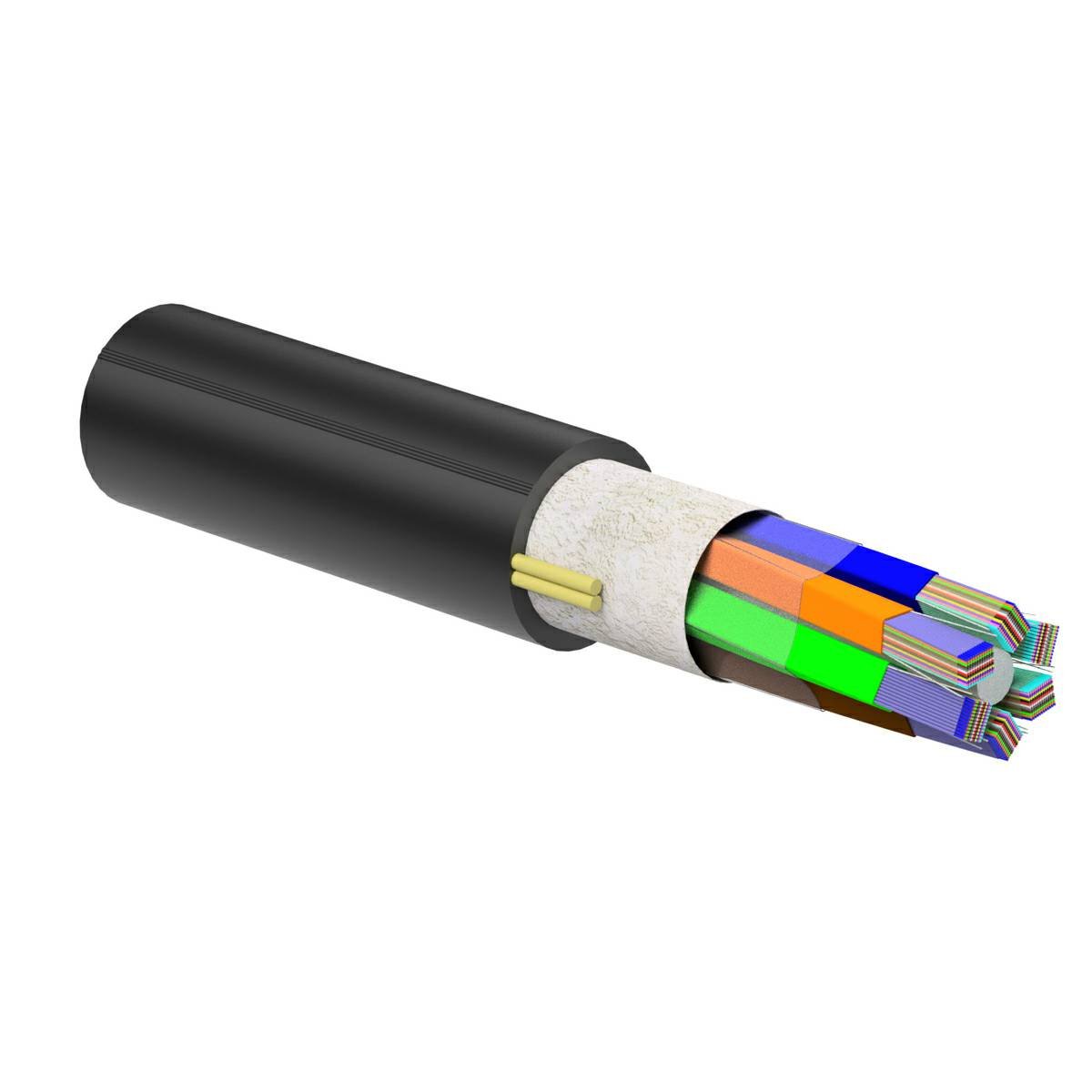
Start with the route, not only the fiber count.
Each family solves a different pathway, density or environmental problem. Final construction is reviewed against the installation route and evidence required for approval.
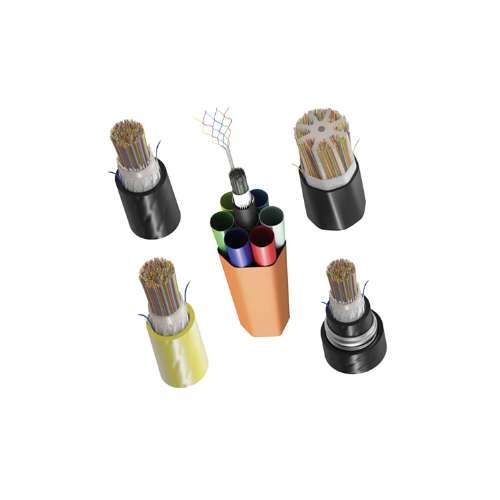 01Rollable Ribbon Fiber CablesFlexible high-count organization for dense routing and splicing workflows.Explore family →
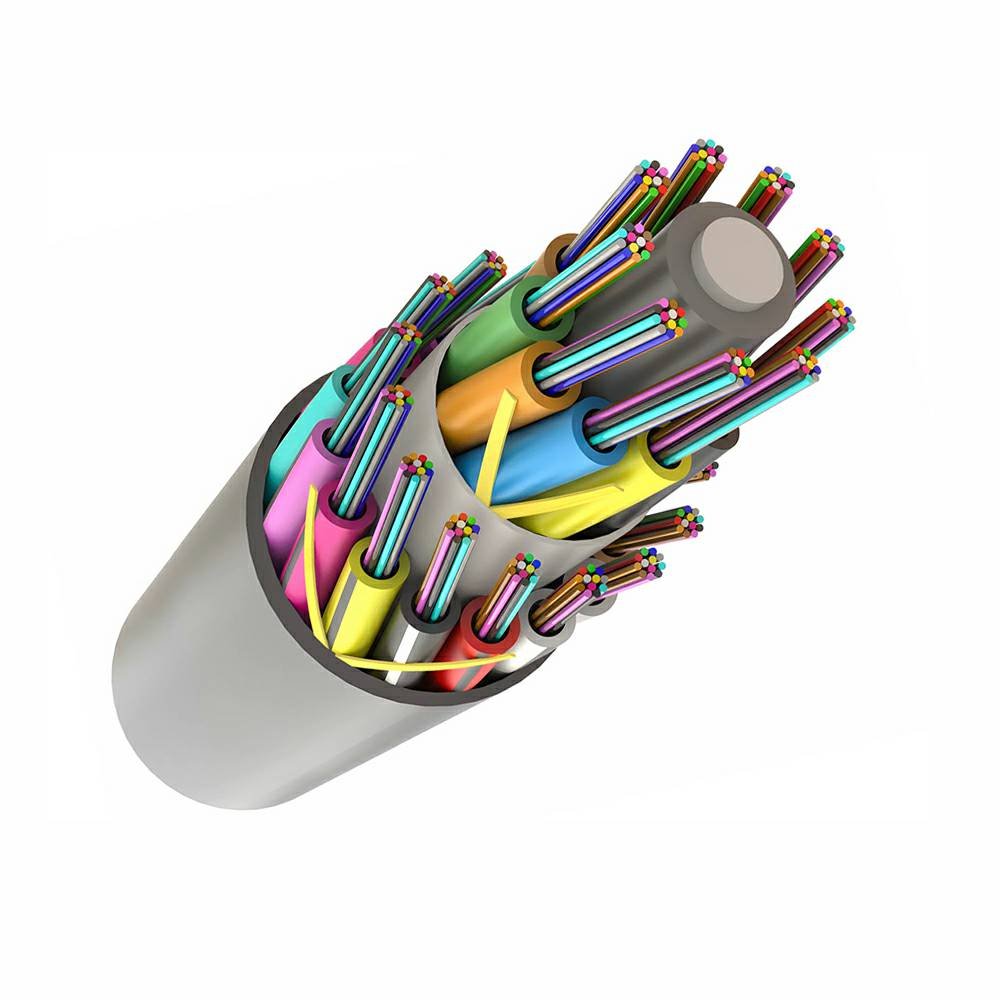 02Micro Fiber CablesCompact cable geometry for constrained pathways and dense routing zones.Explore family →
 03Indoor Distribution Fiber CablesStructured indoor links for equipment rooms, trays, risers and distribution routes.Explore family →
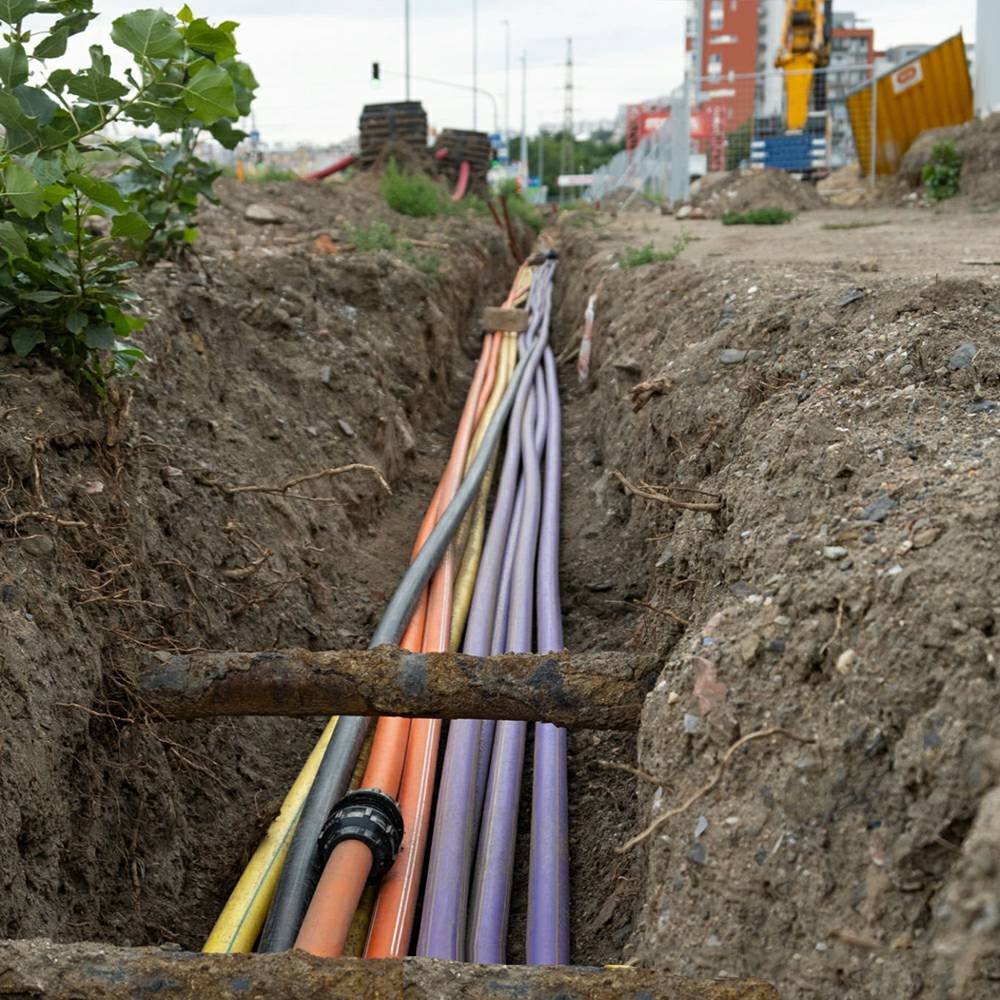 04Indoor/Outdoor Backbone Fiber CablesBackbone construction for routes that transition between installation environments.Explore family →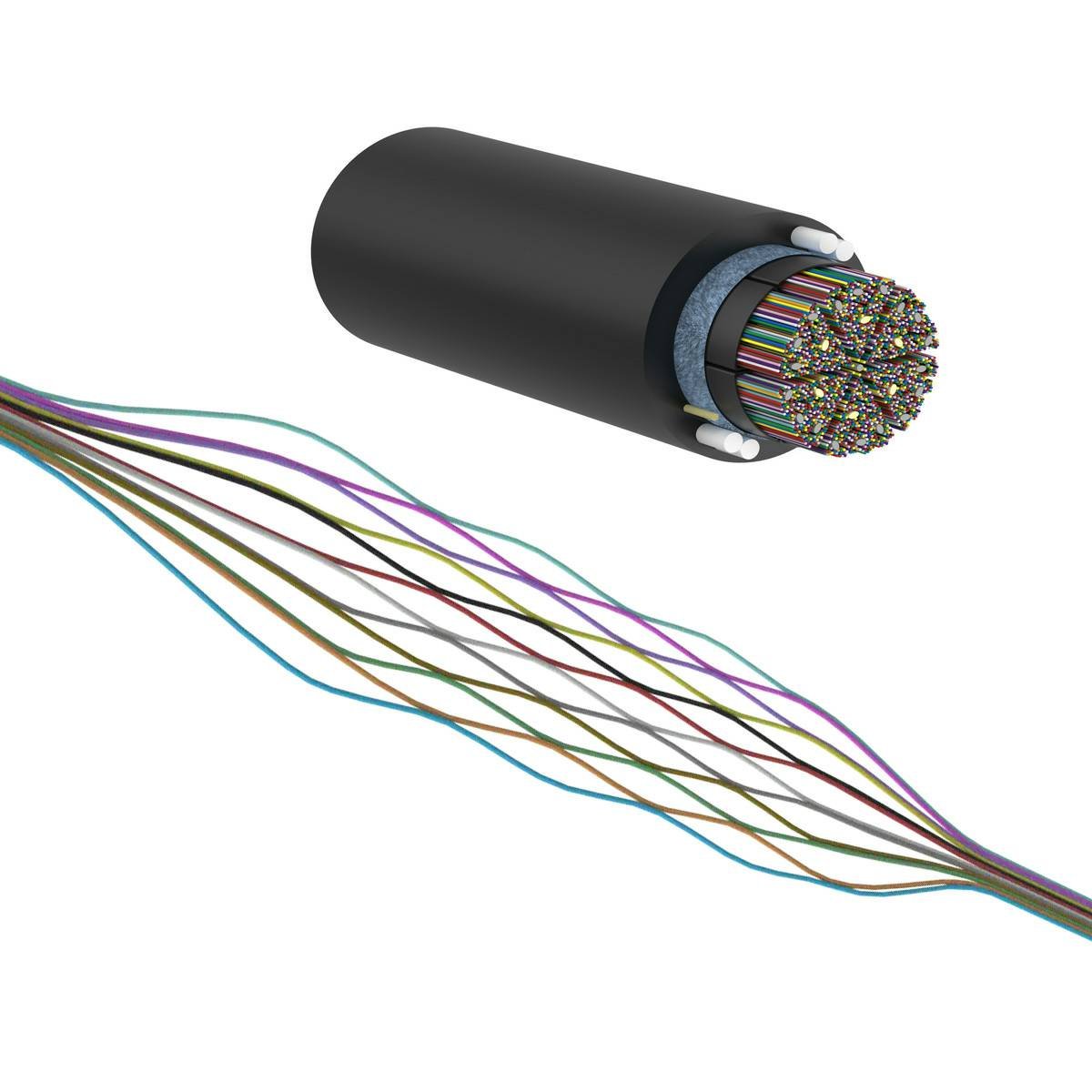
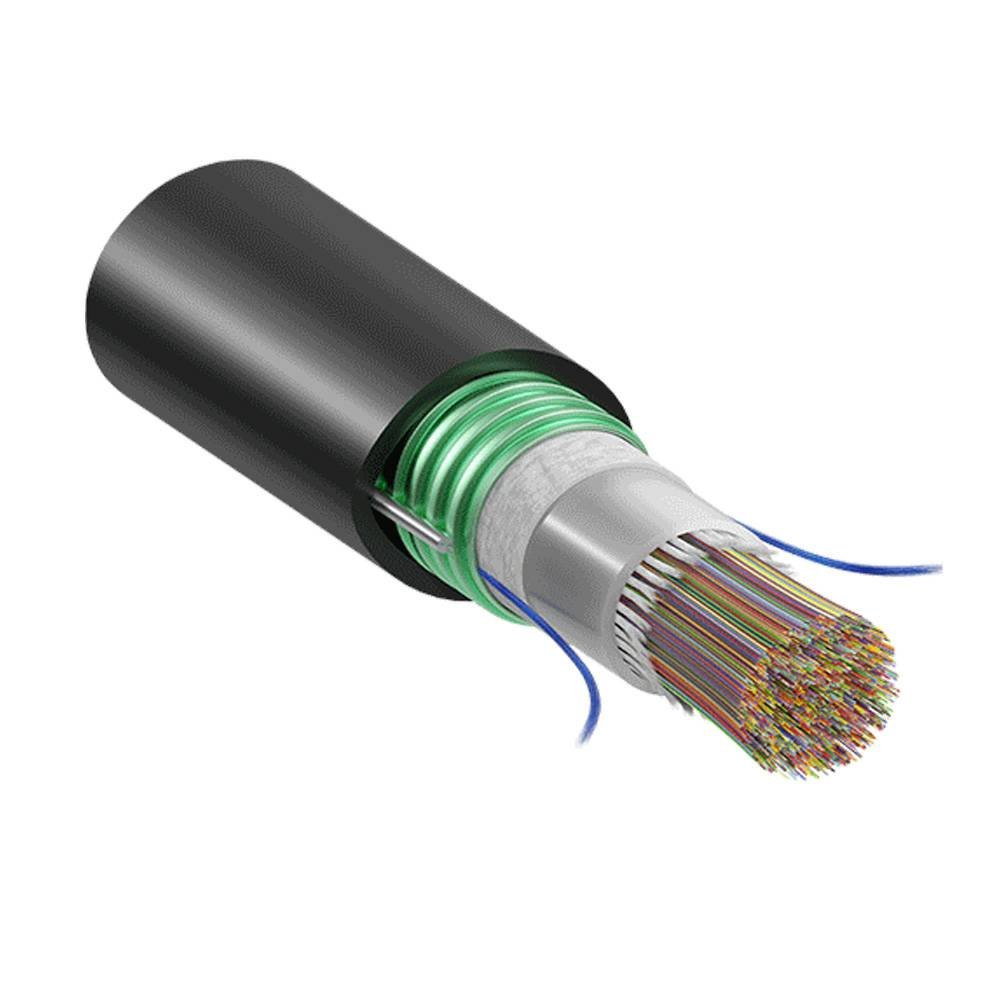
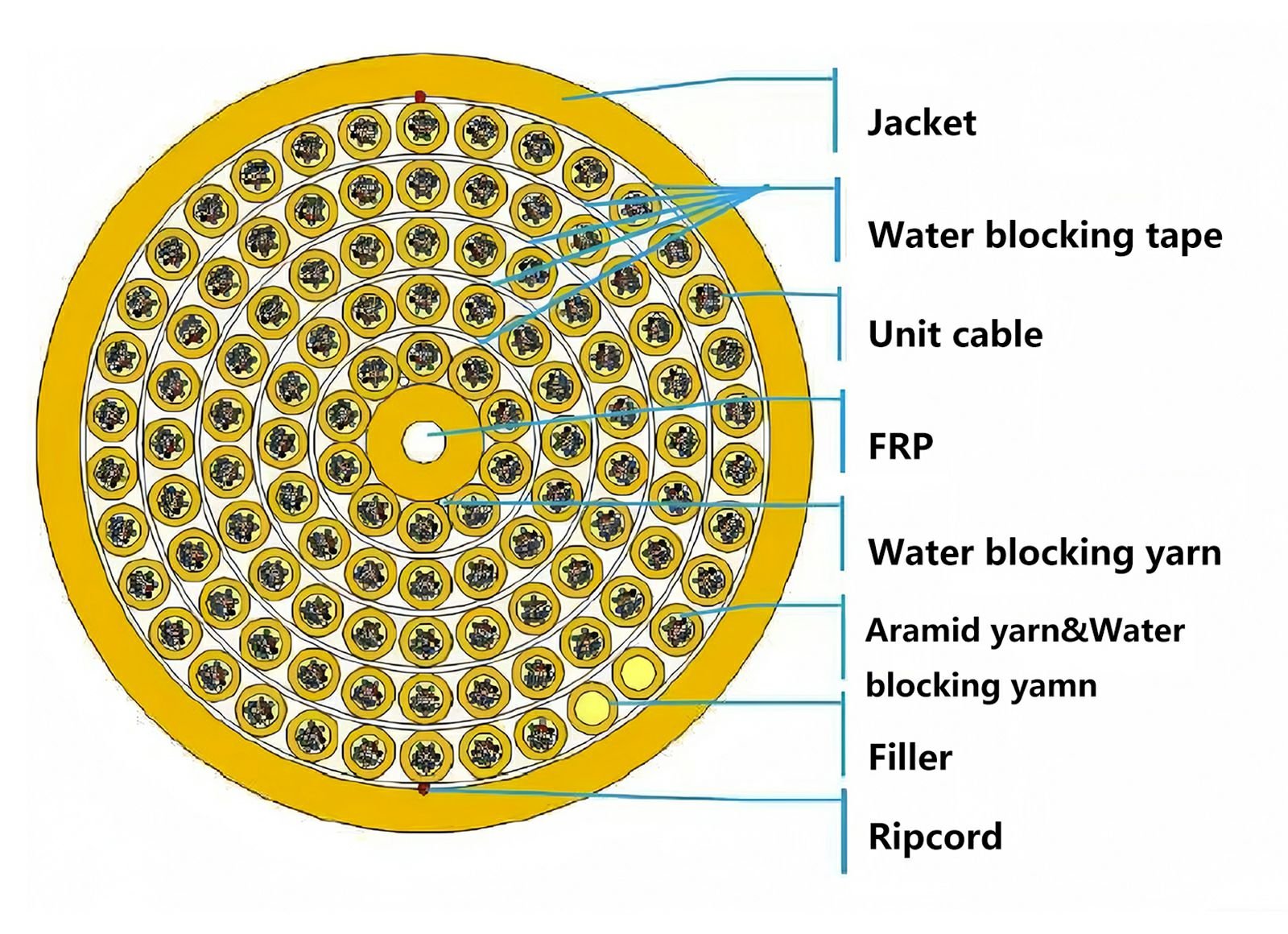
Organize high fiber counts without losing serviceability.
Rollable ribbon and ribbon structures should be selected as part of the complete cable pathway. Fiber organization, cable diameter, access method, splicing workflow and identification must be reviewed together.
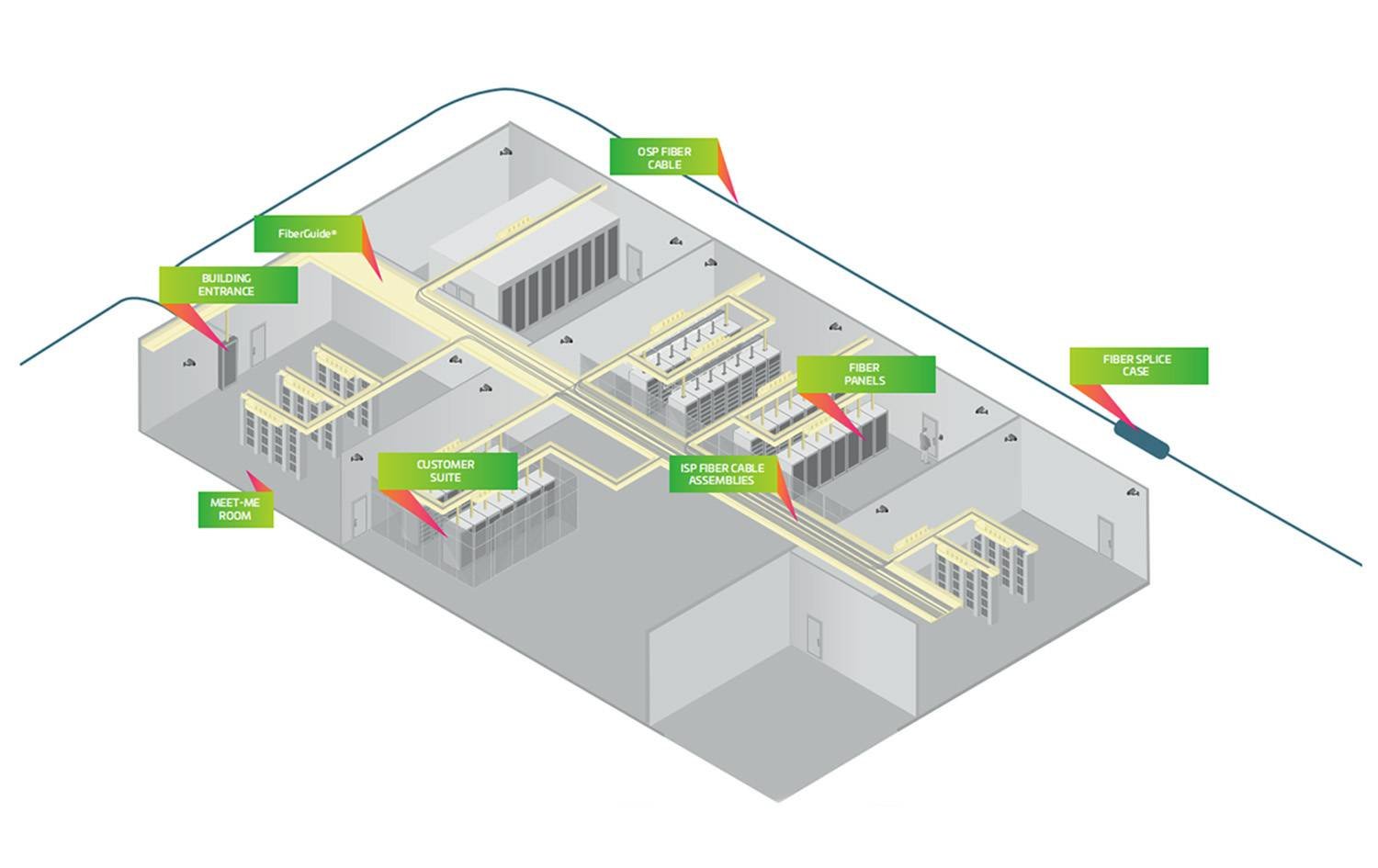
Match cable geometry to the room, tray and riser route.
Indoor and micro cable designs support different space, handling and fire-performance requirements. The cable should be reviewed around the actual route rather than selected by outside diameter alone.
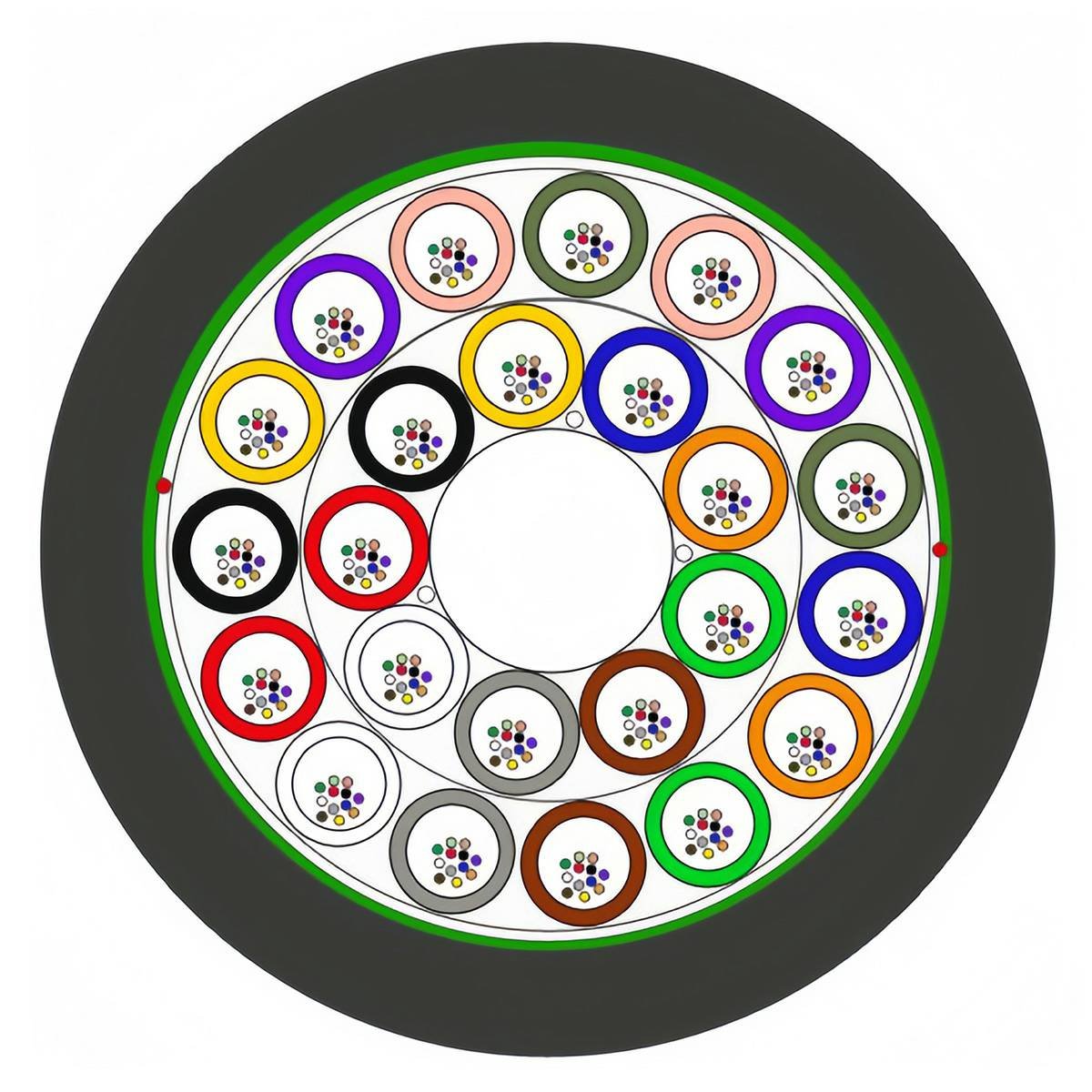
Review indoor and outdoor requirements as one continuous route.
A transitional backbone may require moisture protection, mechanical strength and indoor fire performance within the same project. Route drawings and transition points help clarify the correct construction.
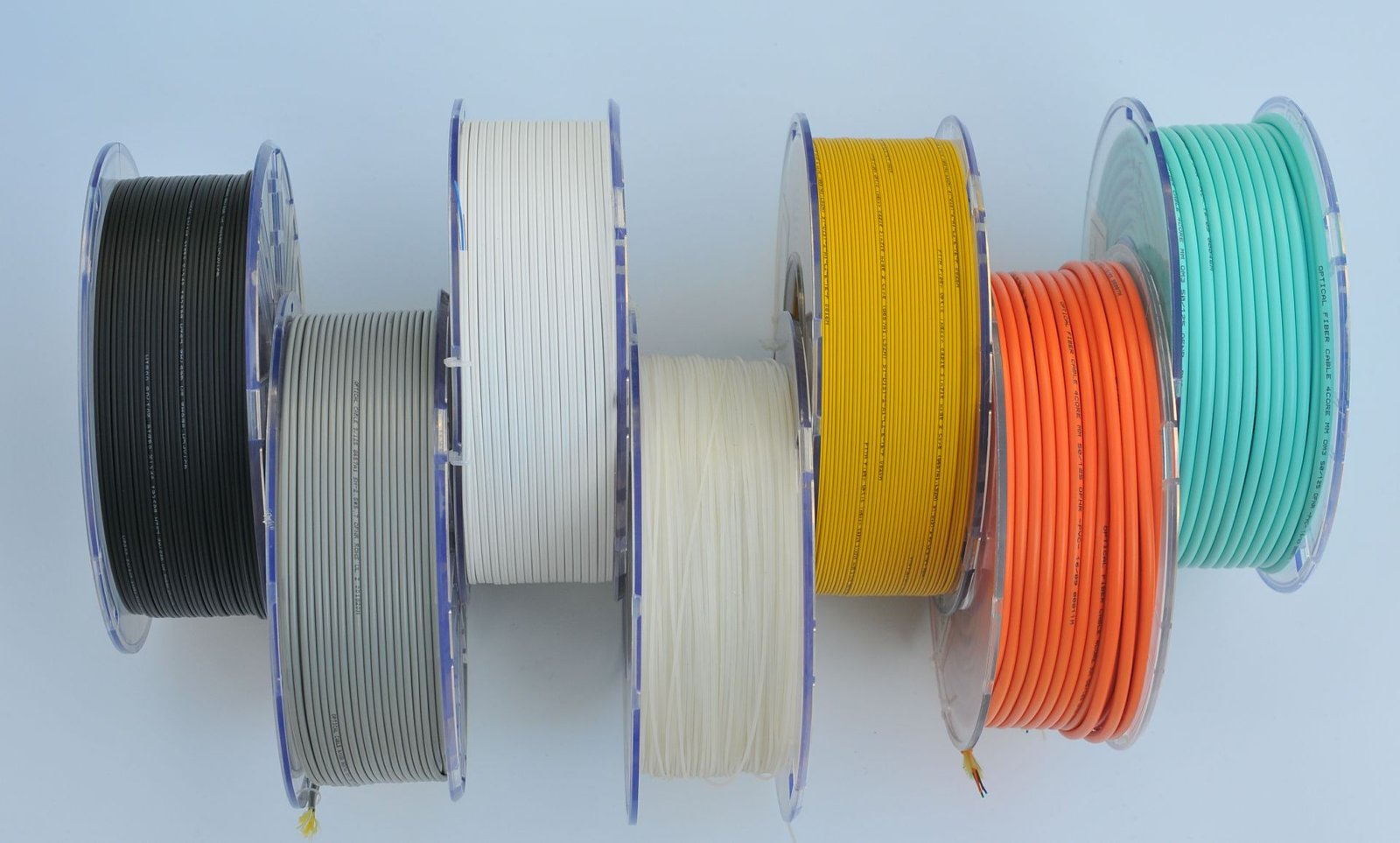
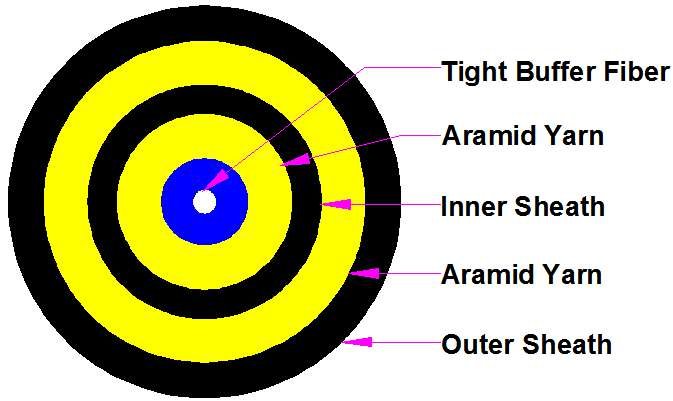
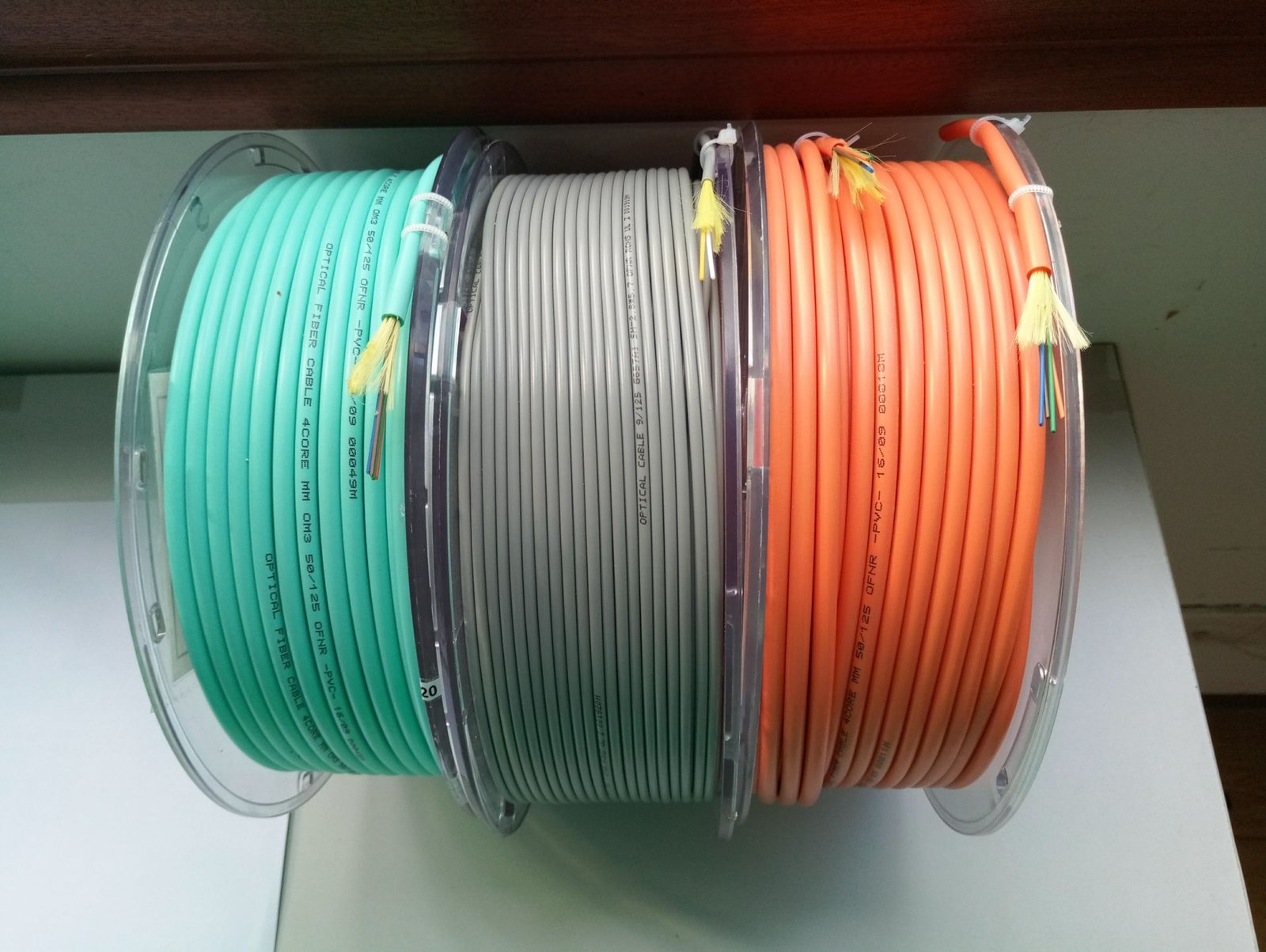
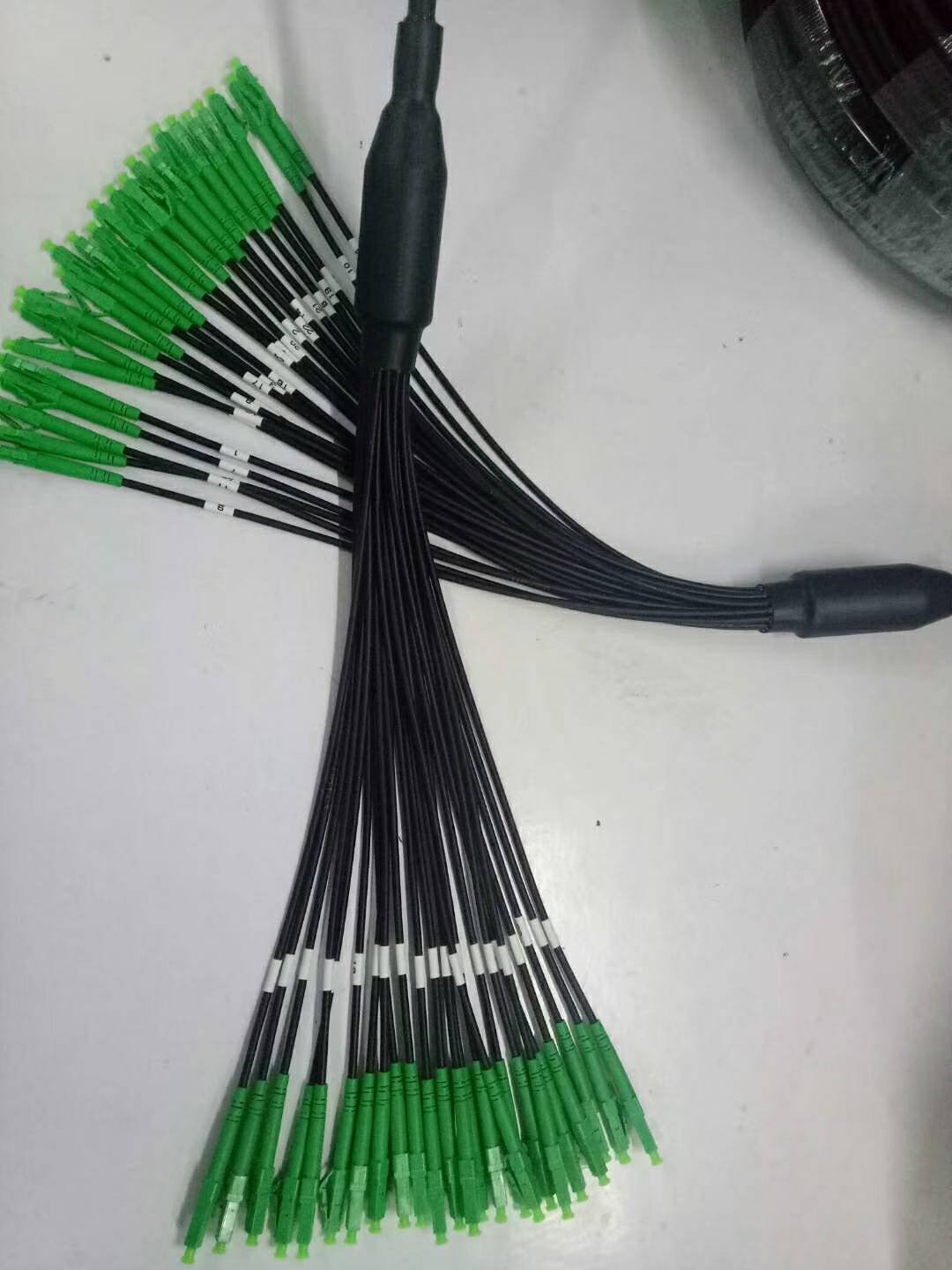
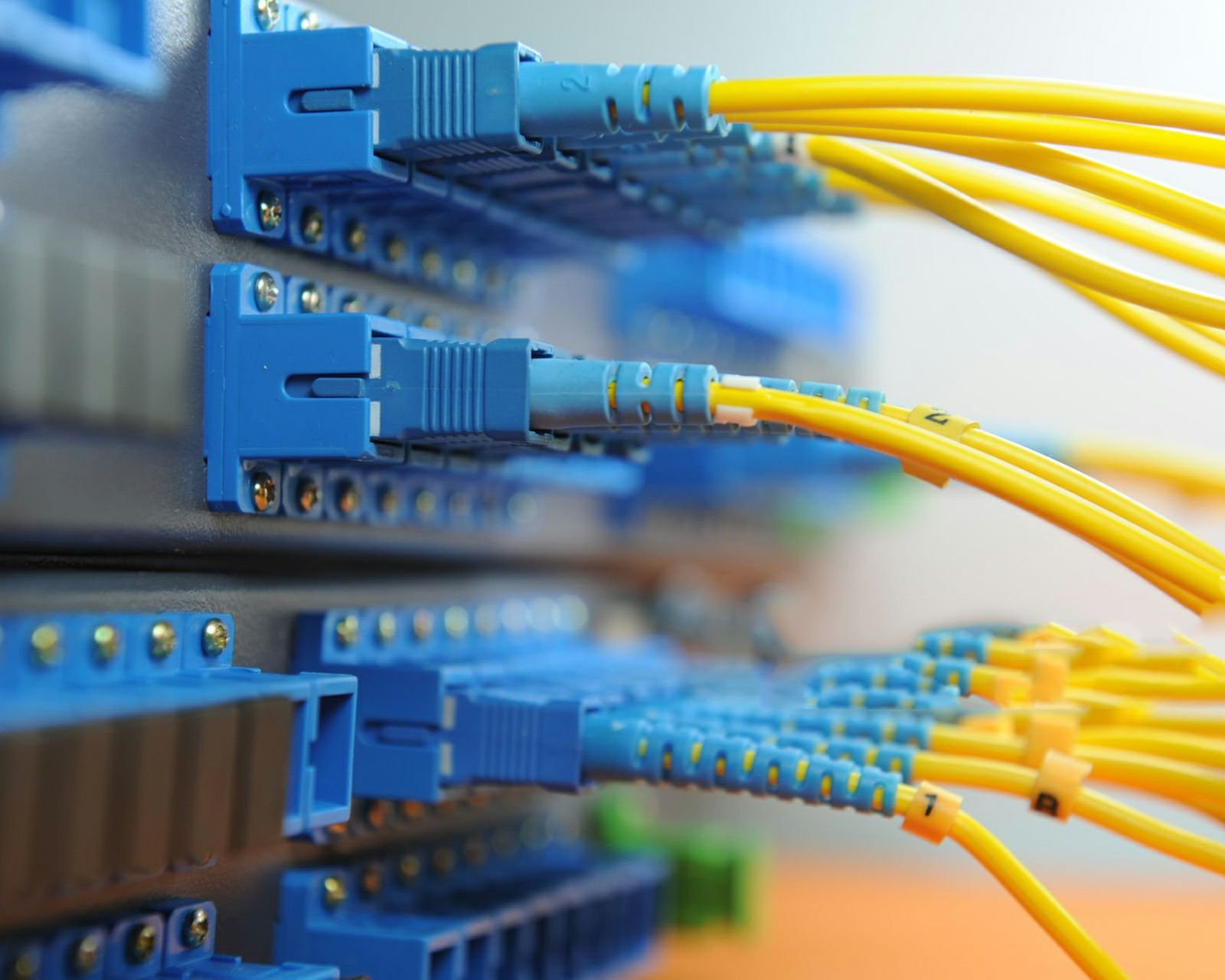
Indoor cable and terminated-link product views.
High-density infrastructure includes both backbone cable capacity and the terminated assemblies used to organize connections at panels and equipment. Select each family around the actual pathway and interface plan. For route-density and sourcing checks, use the rollable ribbon backbone guide.
Four inputs make the cable quotation clearer.
Share these items before pricing so the cable structure can be reviewed against the complete project requirement.
Fiber & count
Fiber type, total count, unit organization and future capacity.
Route
Length, pathway dimensions, transition points and pulling method.
Environment
Indoor or outdoor exposure, jacket and fire-performance requirements.
Evidence
Drawings, labeling, test reports, packaging and approval workflow.