

Fiber Patch Cords for Equipment, Panels and Cross-Connects
Select the connector combination, fiber type and cable construction that match the two interfaces and the route between them.
Start with the two interfaces and the operating environment
A fiber patch cord is defined by the complete connection, not only by the connector at one end. Identify both ports, fiber mode, polish, channel direction, routing conditions and service needs before choosing a product family.
Interface and optical fit
- LC, SC, FC or the required connector combination
- UPC or APC polish matched to the equipment interface
- OS2 or the specified multimode grade
- Simplex, duplex, uniboot or fanout construction
Mechanical and operational fit
- Rack density and available routing space
- Jacket and installation environment
- Extra protection for exposed or frequently handled routes
- Length, color, labels, boot style and test-document requirements
Fiber Patch Cord Product Families
Use these categories to narrow the construction before specifying the final configuration.
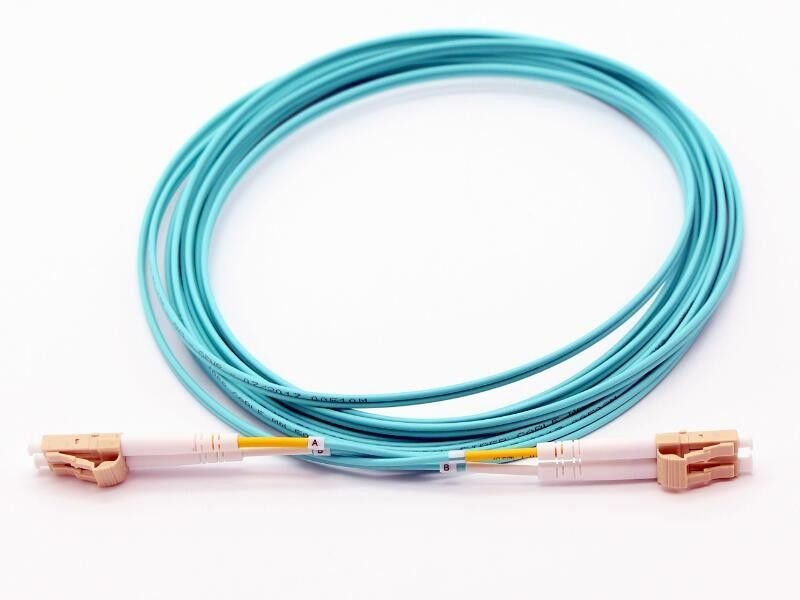
LC-LC Patch Cords
A common duplex or simplex connection for switches, transceivers, patch panels and cross-connect fields.
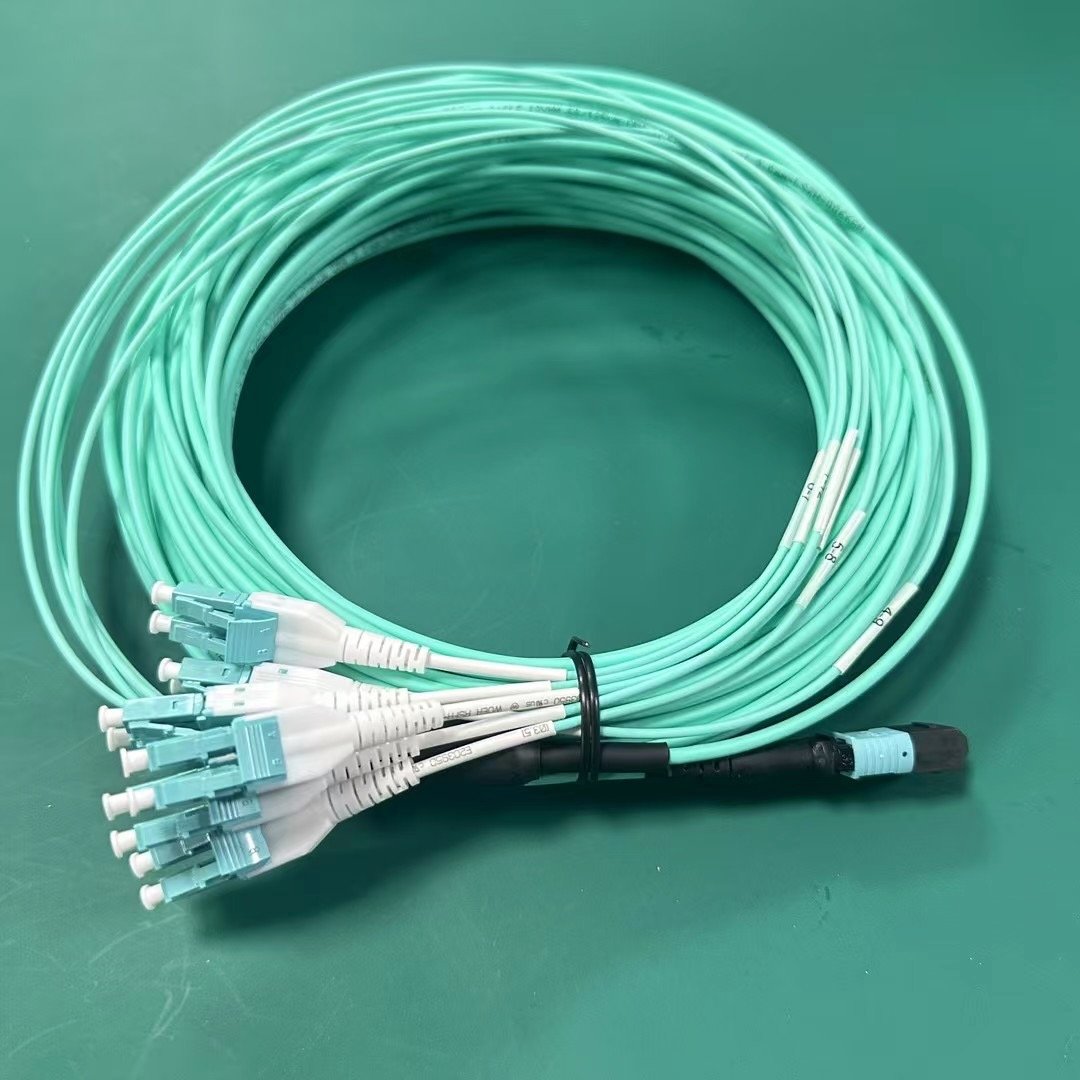
LC Uniboot Patch Cords
Duplex LC connectivity with two fibers carried in a compact cable body to reduce cable bulk in dense racks.
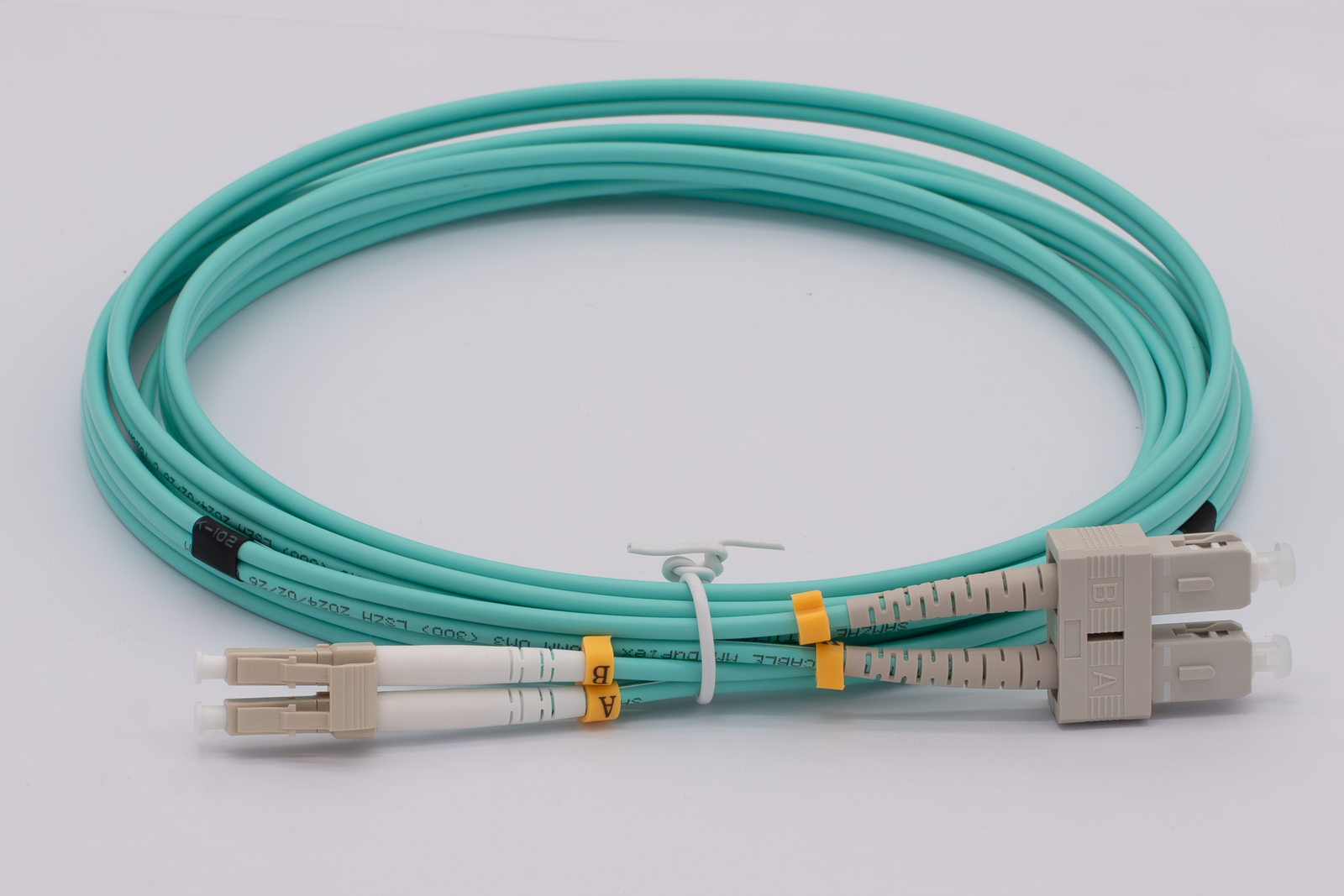
LC-SC Patch Cords
Mixed-interface assemblies for connecting LC equipment ports to SC adapters, panels or installed cabling.
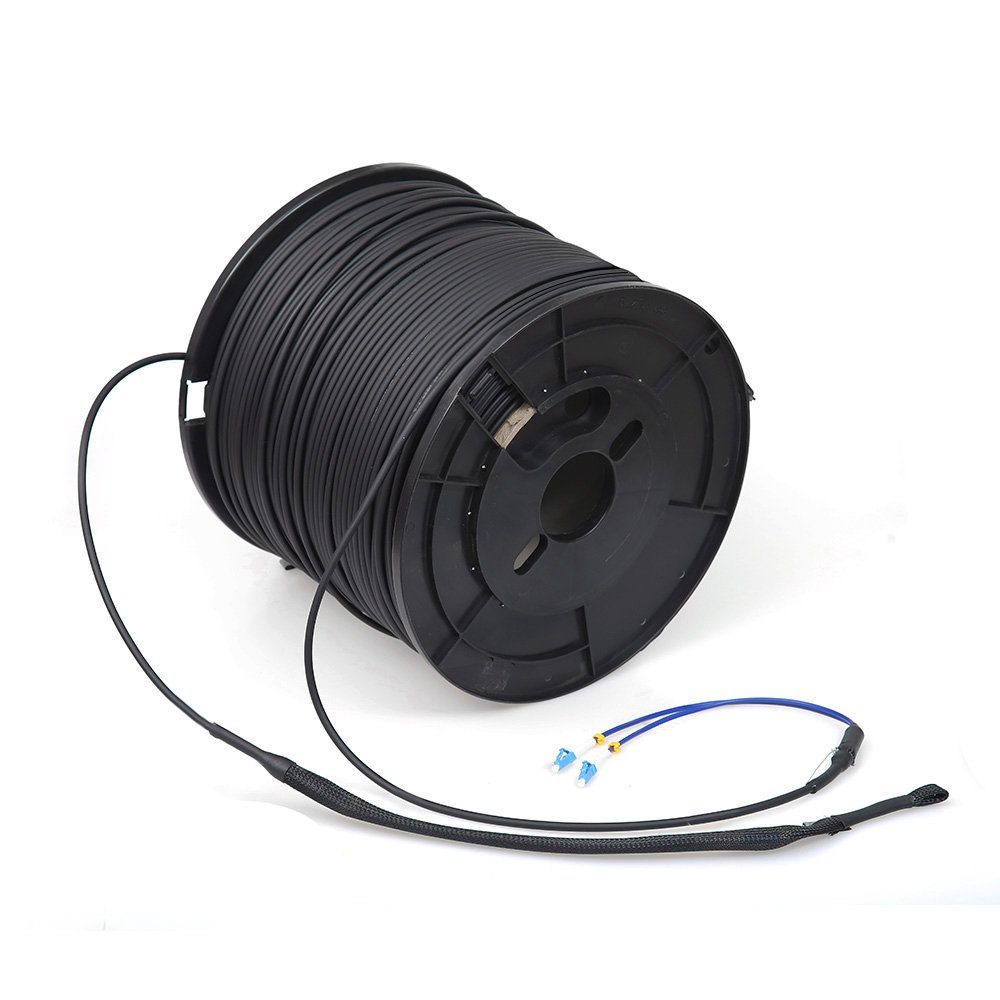
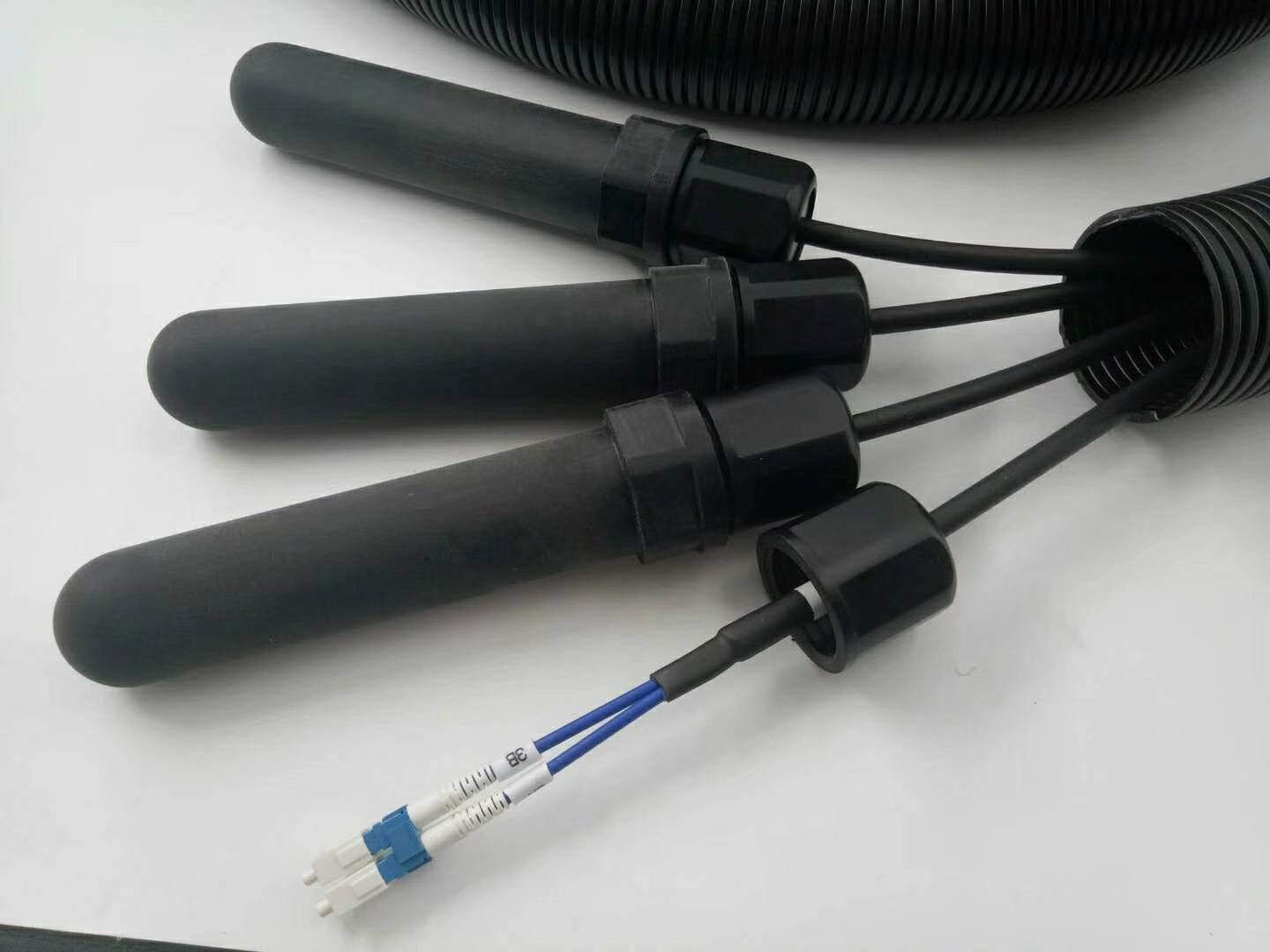
Armored Patch Cords
Reinforced assemblies for routes that need additional crush, bend or handling protection.
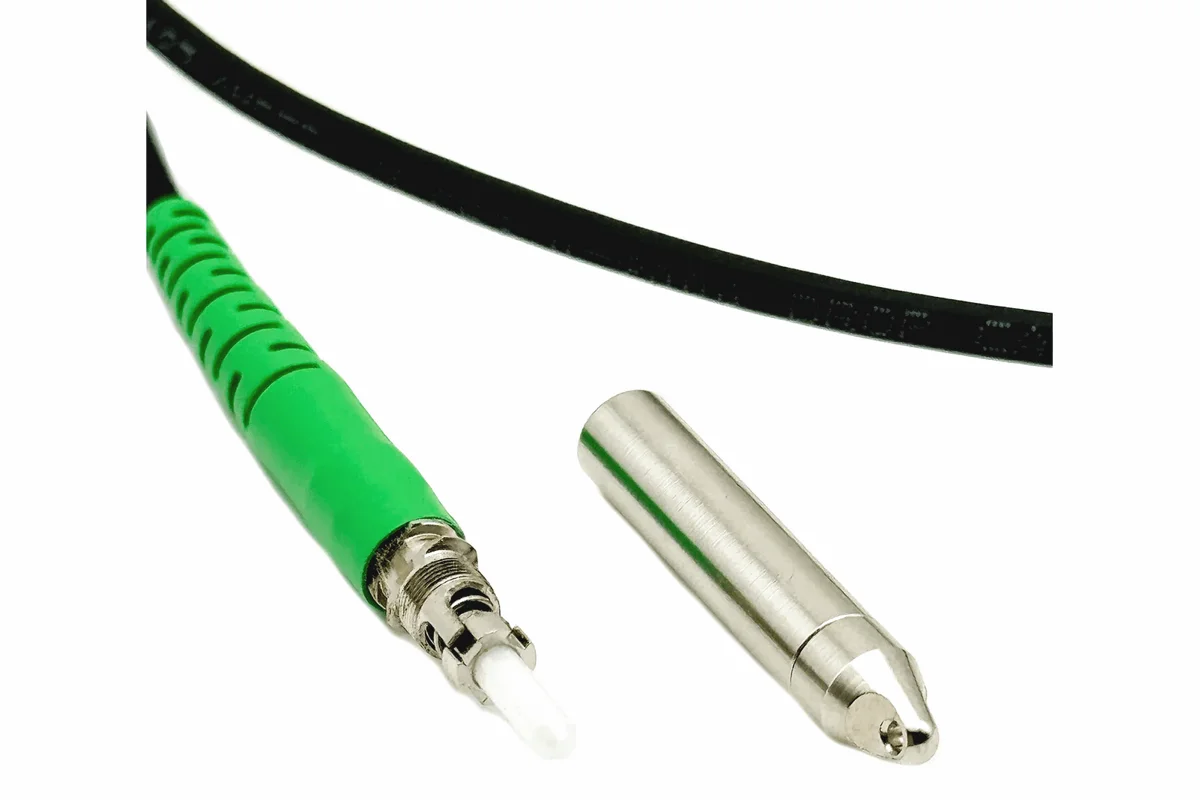
Custom Fiber Patch Cords
Connector, fiber, jacket, length, color, labeling and packaging combinations prepared around a defined project requirement.
Not sure which family fits?
Send the port types at both ends and a photo or simple route sketch. Add fiber mode, quantity, length and any special installation constraint.
Six decisions that define the right patch cord
1. Connector at end A and end B
Match each mating interface exactly. Mixed connector assemblies such as LC-SC are often the cleanest way to bridge equipment and installed cabling.
2. Fiber type
Keep the patch cord consistent with the link design. Confirm OS2 or the required multimode grade rather than selecting by jacket color alone.
3. End-face polish
UPC and APC interfaces should not be mixed. Verify the adapter and equipment specification at each end.
4. Fiber and cable construction
Choose simplex, duplex, uniboot, armored or fanout construction according to port count, density and route protection.
5. Length and routing details
Allow enough length for strain-free routing without creating unmanaged slack. Consider boot direction and bend radius in dense panels.
6. Identification and acceptance
Specify color, end labels, serial or project identifiers, packaging and the required insertion-loss test record.
Match the assembly to the application
Equipment to patch panel
LC-LC duplex cords commonly connect transceivers and switch ports to rack patching fields.
Mixed installed interfaces
LC-SC or other hybrid assemblies connect equipment to legacy panels without adding an extra adapter pair.
High-density rack routing
Uniboot construction reduces cable volume where many duplex LC ports share the same management path.
Exposed or demanding routes
Armored construction adds mechanical protection where standard patch cords may be vulnerable to handling or compression.
Build the RFQ around verifiable details
A clear specification reduces avoidable revisions. For each line item, provide connector types, polish, fiber mode, cable construction, jacket requirement, length, color, quantity and labeling.
If the cord will be installed into a known system, also provide the equipment model or interface standard, routing environment and the acceptance record you expect with the shipment.
Fiber Patch Cord Questions
Can UPC and APC connectors be mated together?
They should not be treated as interchangeable. Their end-face geometries differ, so the polish must match the mating interface specified by the equipment or adapter.
How do I choose between OS2 and multimode fiber?
Follow the transceiver and installed link design. The patch cord fiber type should be consistent with the optical channel and its interfaces.
When does an LC uniboot cord help?
It is useful in high-density duplex LC areas where reducing cable bulk and simplifying routing are priorities.
When should I choose an armored patch cord?
Choose added protection for exposed paths, frequent handling or routes where compression and accidental damage are more likely.
What is needed for a custom patch cord quotation?
List both connectors, polish, fiber mode, simplex or duplex construction, jacket, length, color, quantity, labeling and test-report requirements.