
High-Density Fiber Cables, MPO/MTP Trunks & Patching for AI Data Centers
JHT NetFiber manufactures rollable ribbon and high-fiber-count backbone cables, pre-terminated MPO/MTP trunks, and high-density patching systems for AI, hyperscale and colocation data centers.
Share the fiber count, pathway, data rate, interfaces, environment, length and quantity. JHT can review the complete link before quotation.
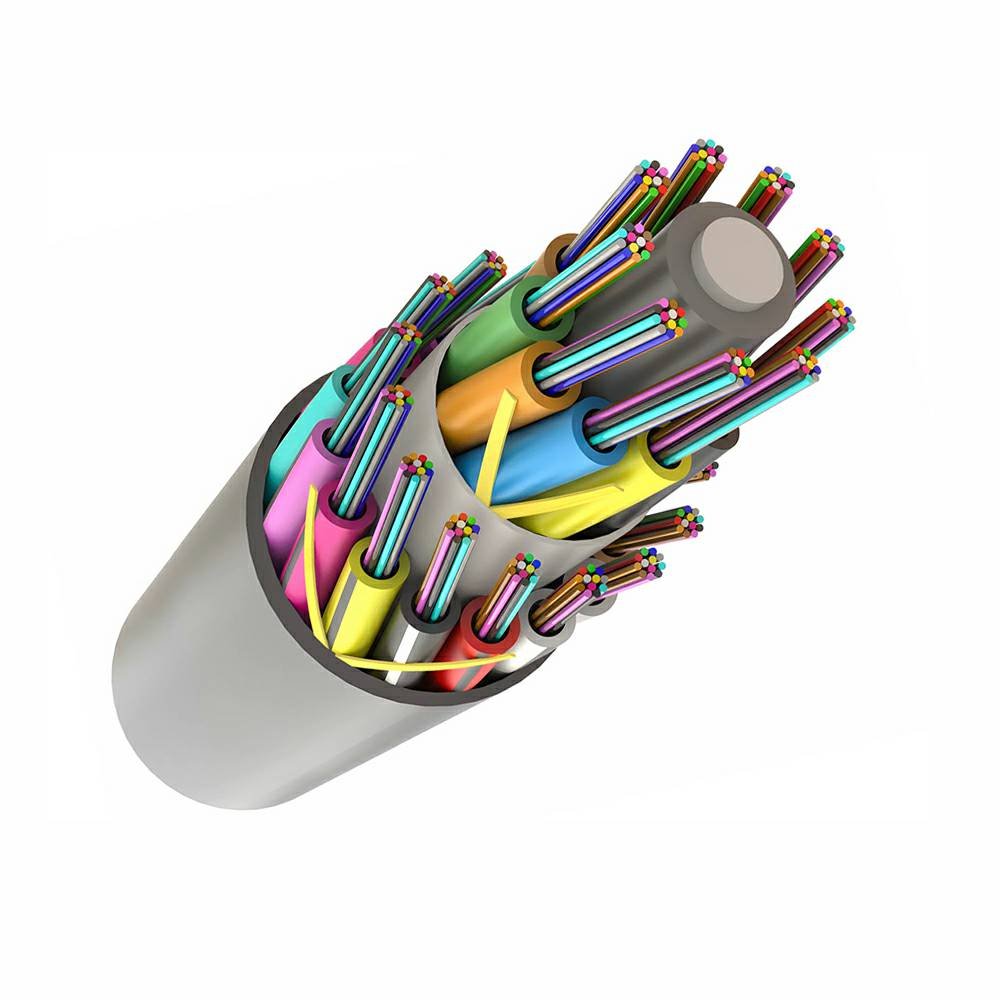
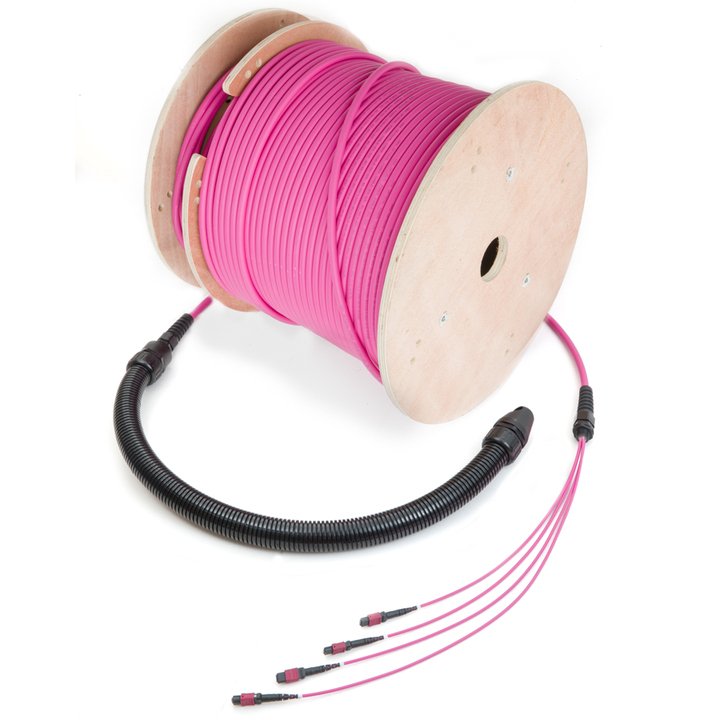
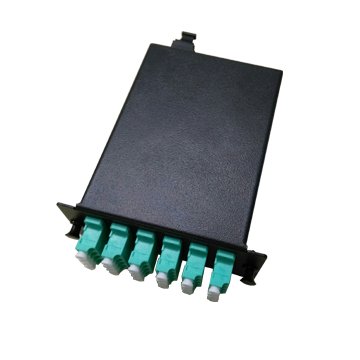
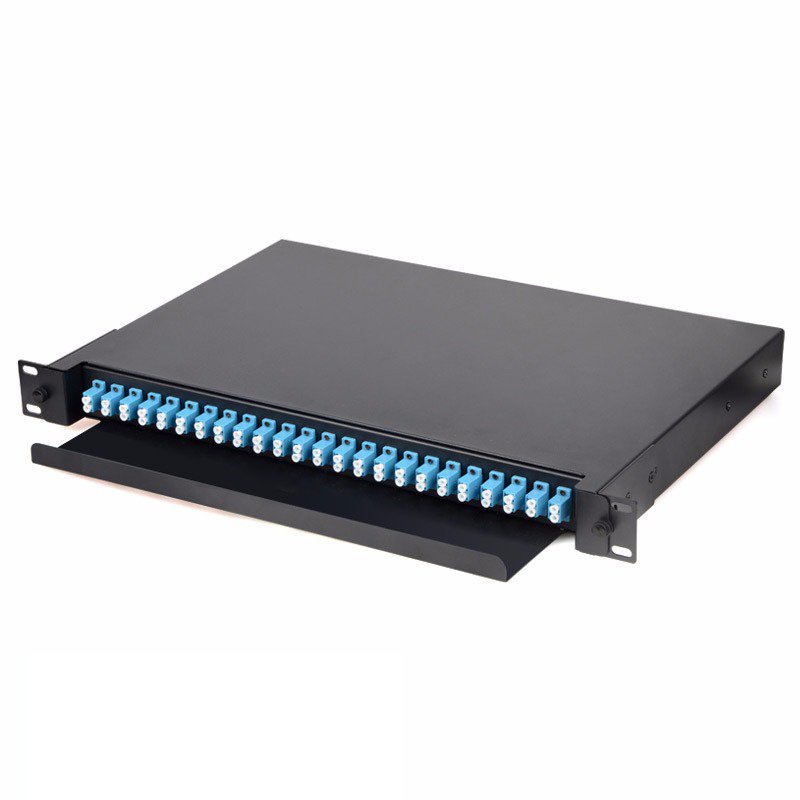
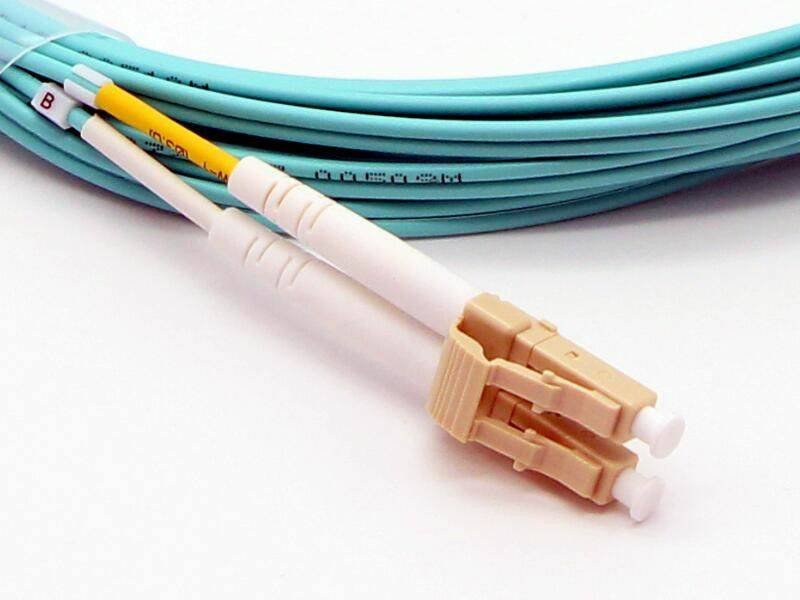
Two Core Systems for High-Density Data Center Fiber Infrastructure.
Three buying routes are organized under two core systems: High-Density Fiber Cables and Data Center Connectivity.
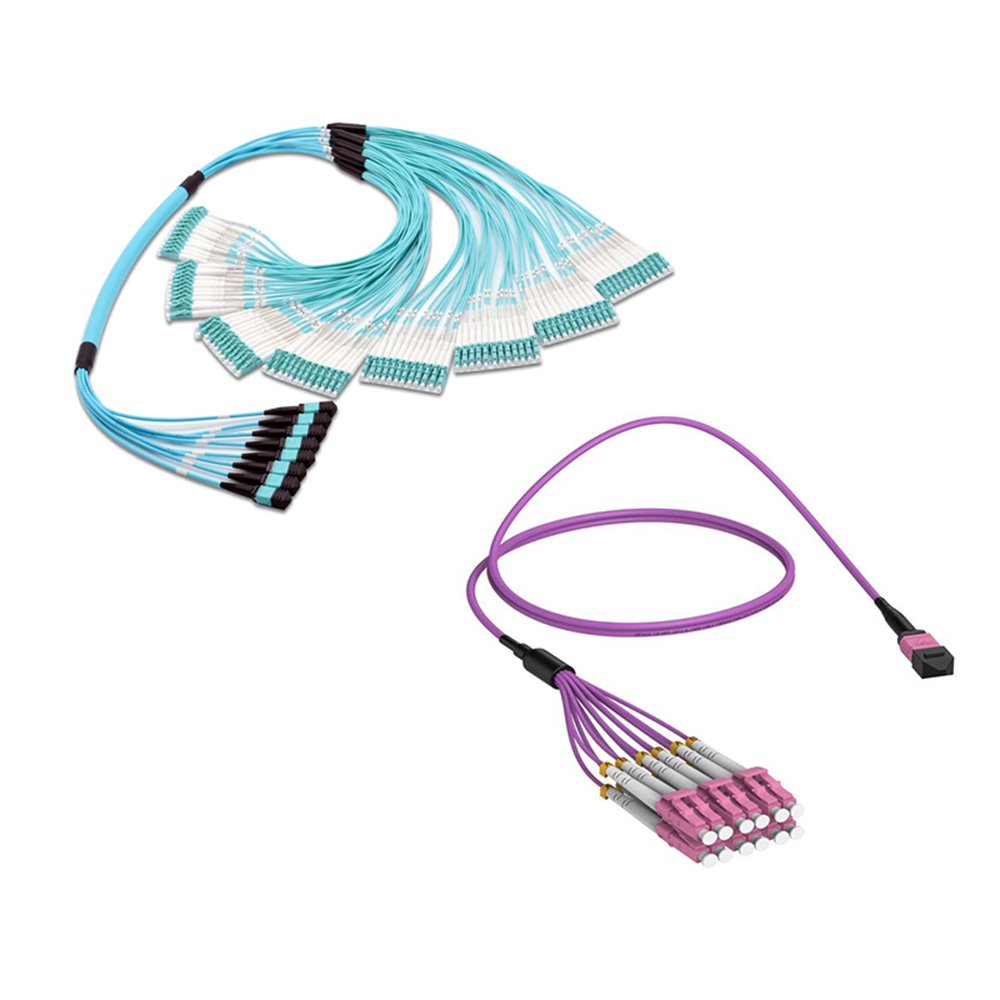 Data Center Connectivity
MTP/MPO Solutions
Trunk cables, breakout assemblies, patch cords, cassettes and panels for high-density backbone and parallel-optics links.
Explore MTP/MPO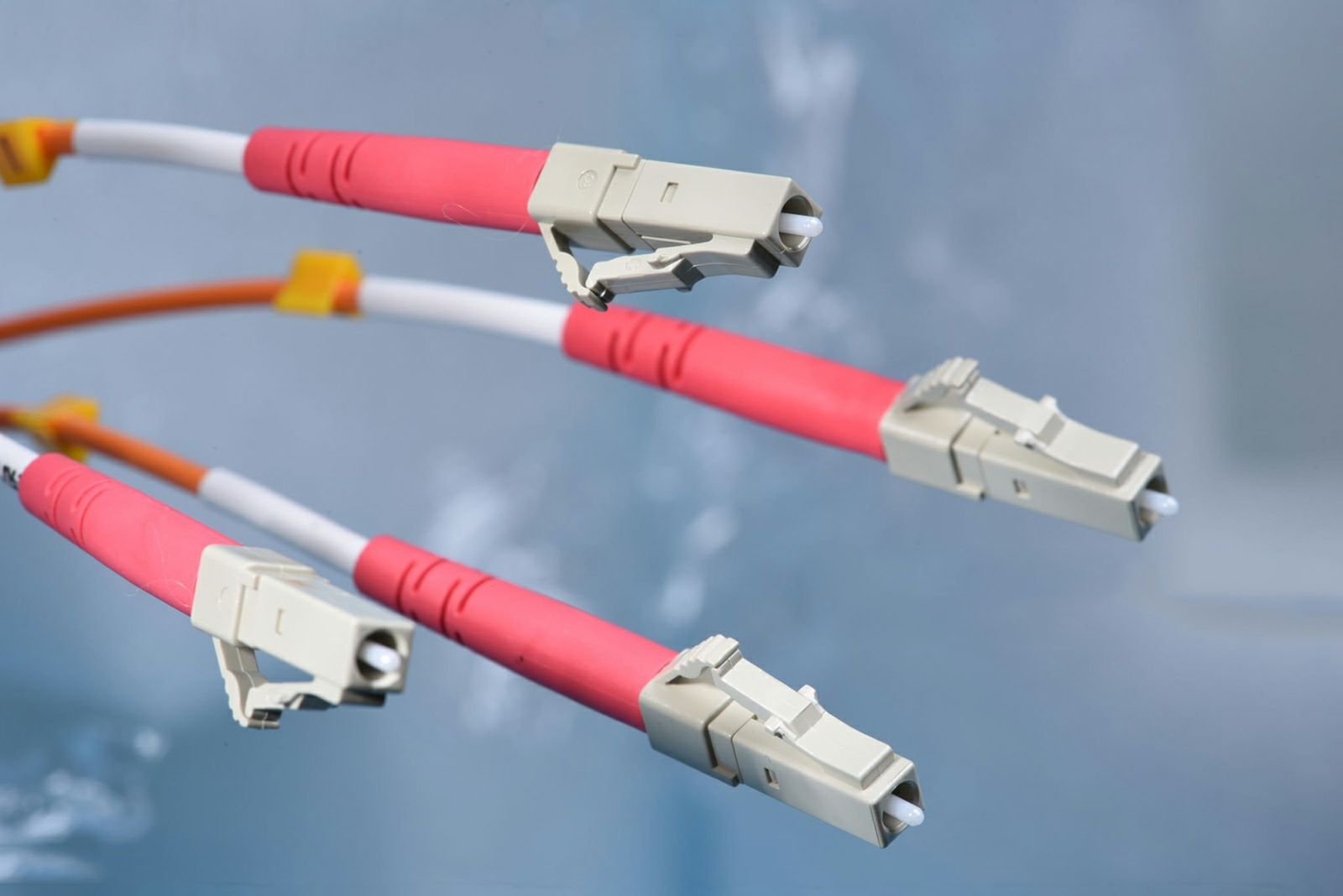 Data Center Connectivity
Fiber Patch Cords & High-Density Patching
LC-LC, LC-SC, uniboot, armored and custom OS2, OM3, OM4 or OM5 cords for equipment-level and high-density patching.
Explore Patch Cords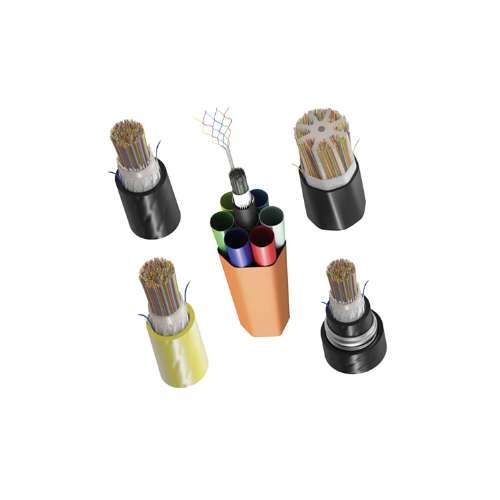 High-Density Fiber Cables
High-Density Fiber Cables
Rollable ribbon, microduct and indoor or indoor/outdoor high-fiber-count cables for capacity-dense, space-constrained pathways.
Explore Fiber CablesWhich fiber solution fits your link?
A practical starting point for buyers comparing dense backbone, equipment patching and custom project assemblies.
| Requirement | Typical starting point | Confirm before RFQ |
|---|---|---|
| High-density backbone | MTP/MPO trunk with cassette, panel or direct-connect architecture | Base-8/12/16, fiber type, polarity, connector gender and loss budget |
| Switch or server patching | LC duplex or MTP/MPO patch cord matched to the transceiver interface | Optics, data rate, OS2/OM4/OM5, connector polish and length |
| Parallel-optics breakout | MTP/MPO-to-LC or MTP/MPO harness assembly | Channel mapping, breakout length, polarity and labeling |
| Pre-terminated indoor routing | High-fiber-count indoor cable or pre-terminated backbone assembly | Route, pulling method, cable construction, ends and installation constraints |
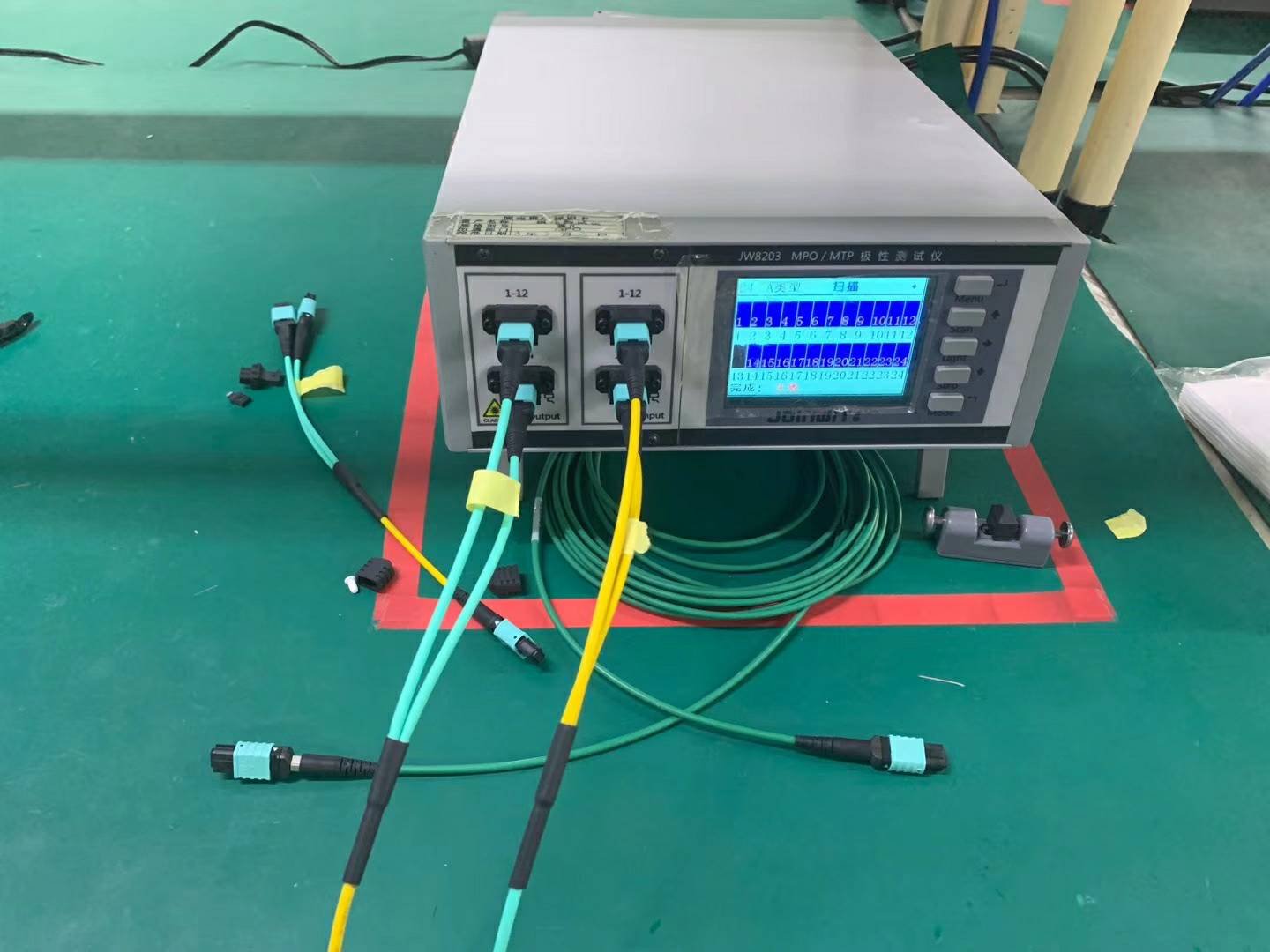
Manufacturing, assembly and technical review are connected to the approved cable specification.
Review manufacturing scope and configuration control before quotation.
JHT NetFiber reviews the link architecture, cable construction, assembly requirements and documentation scope against the buyer’s drawing or specification.
Manufacturing scope
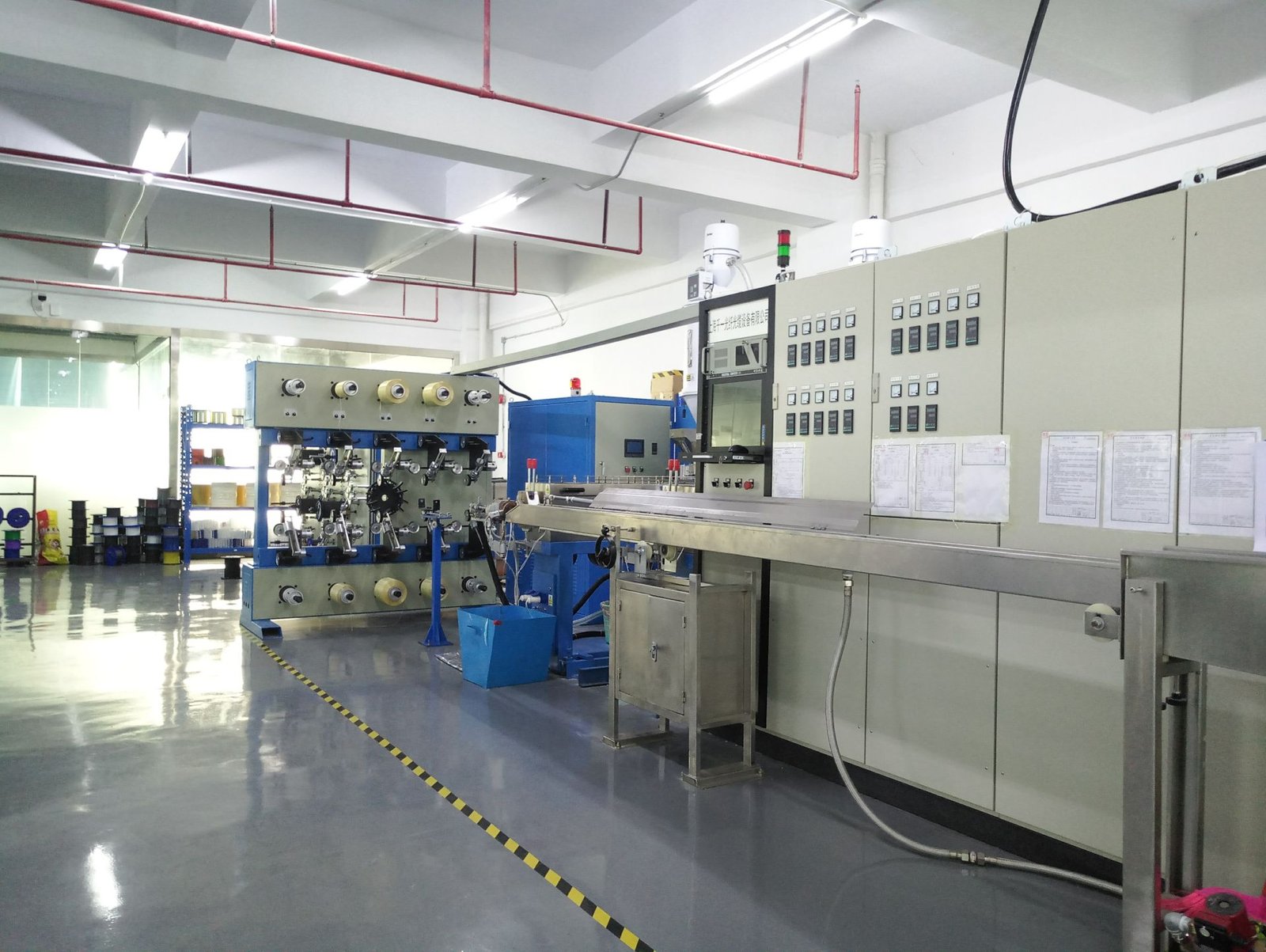
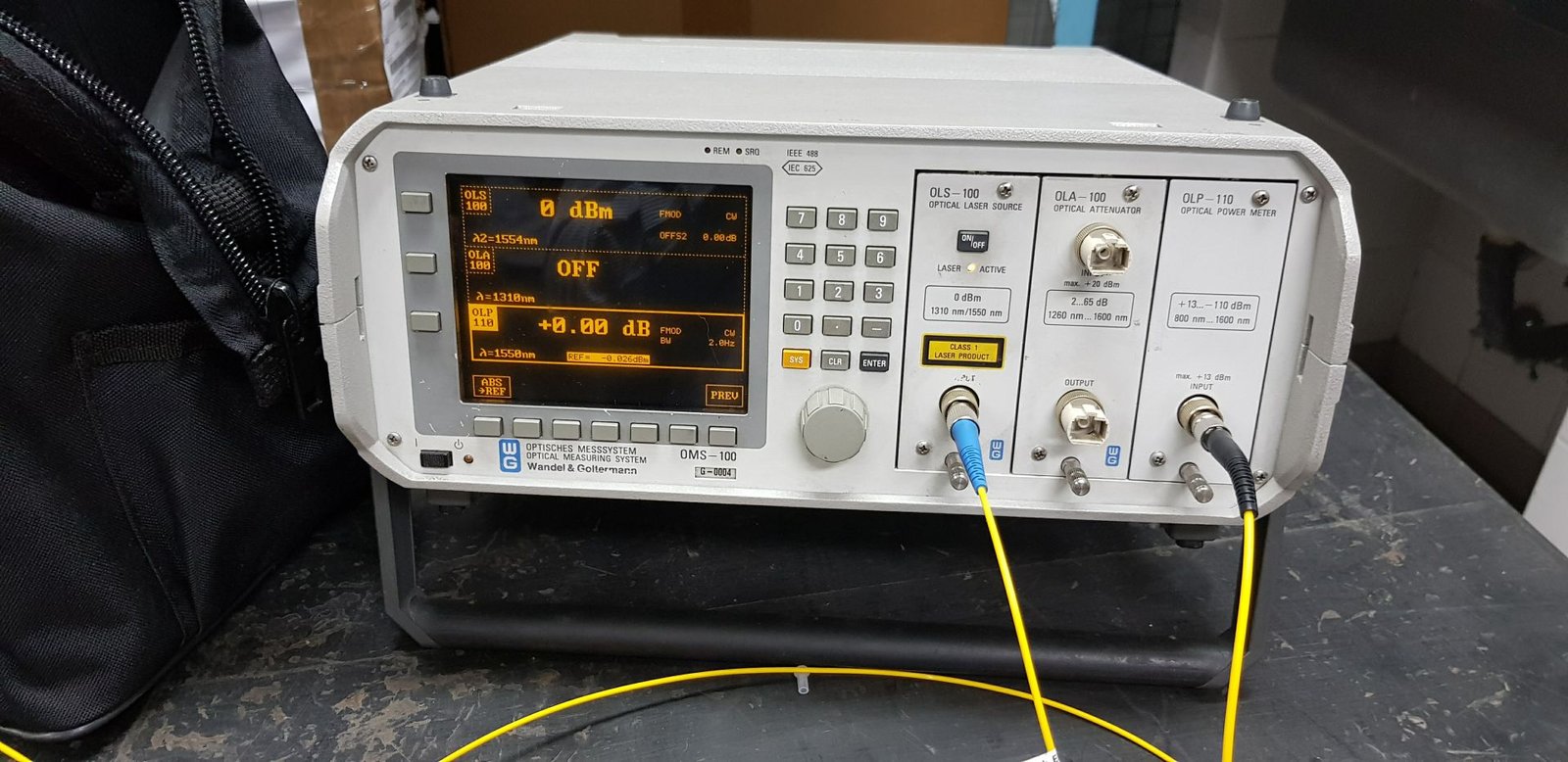
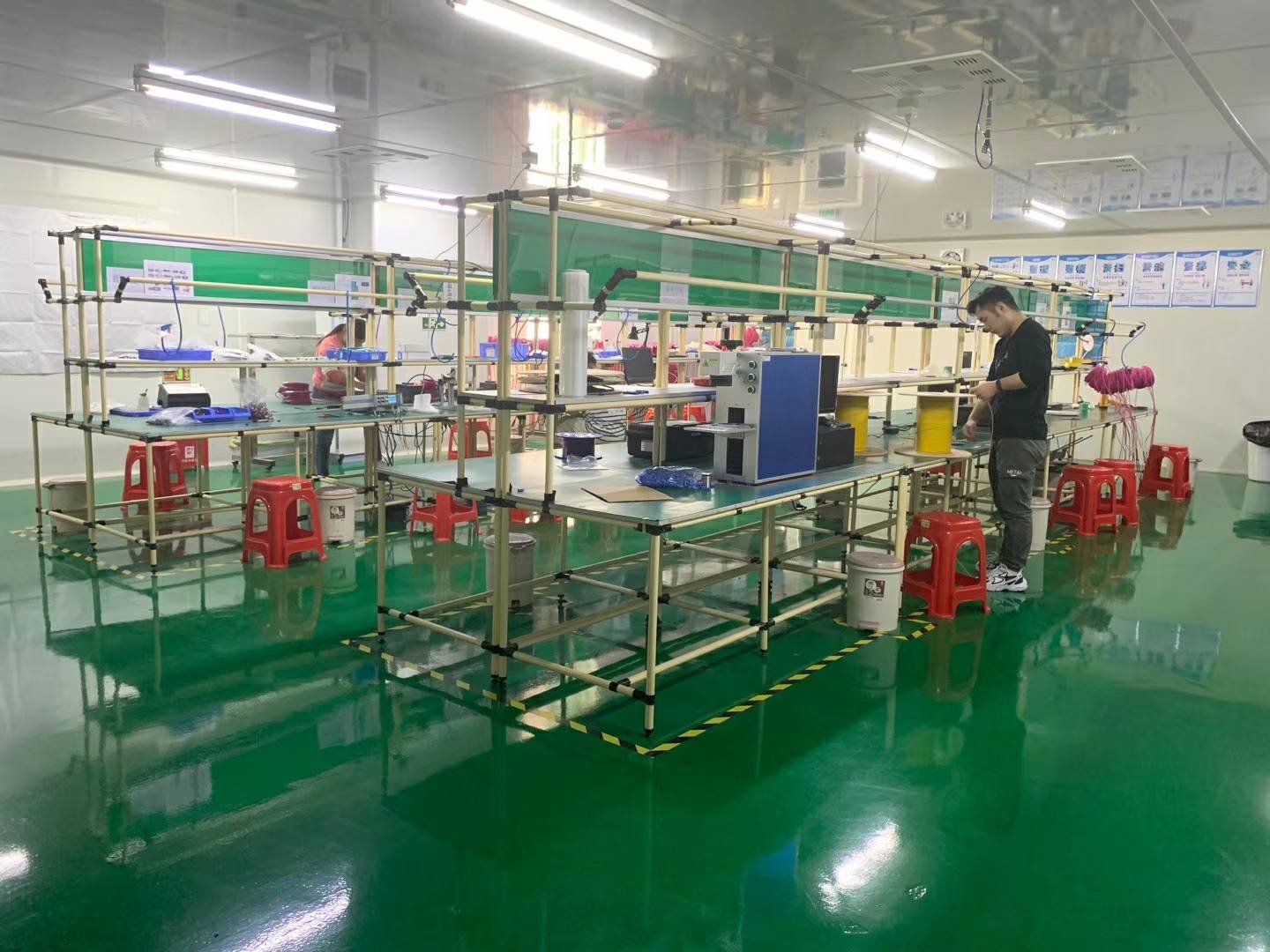
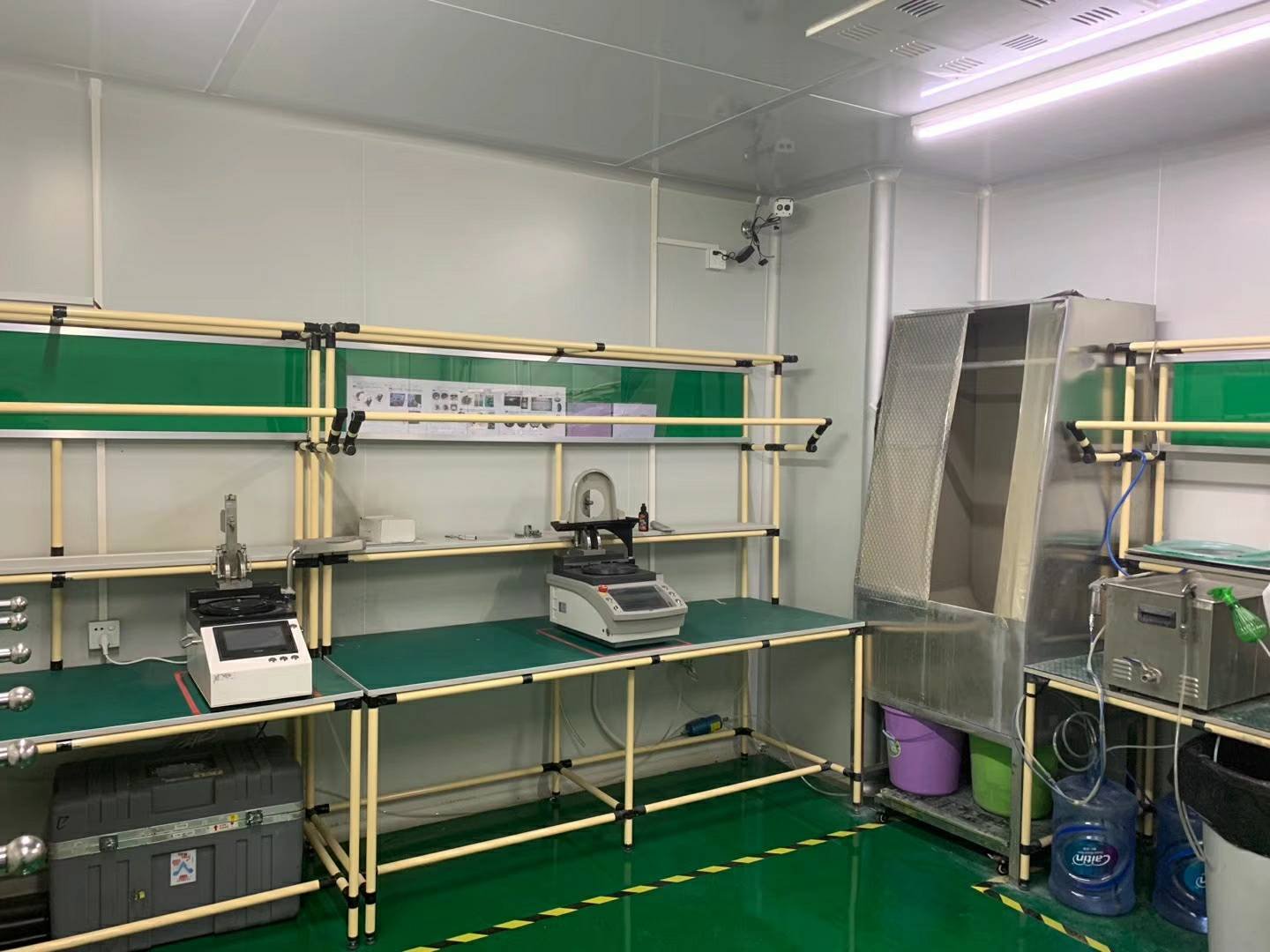
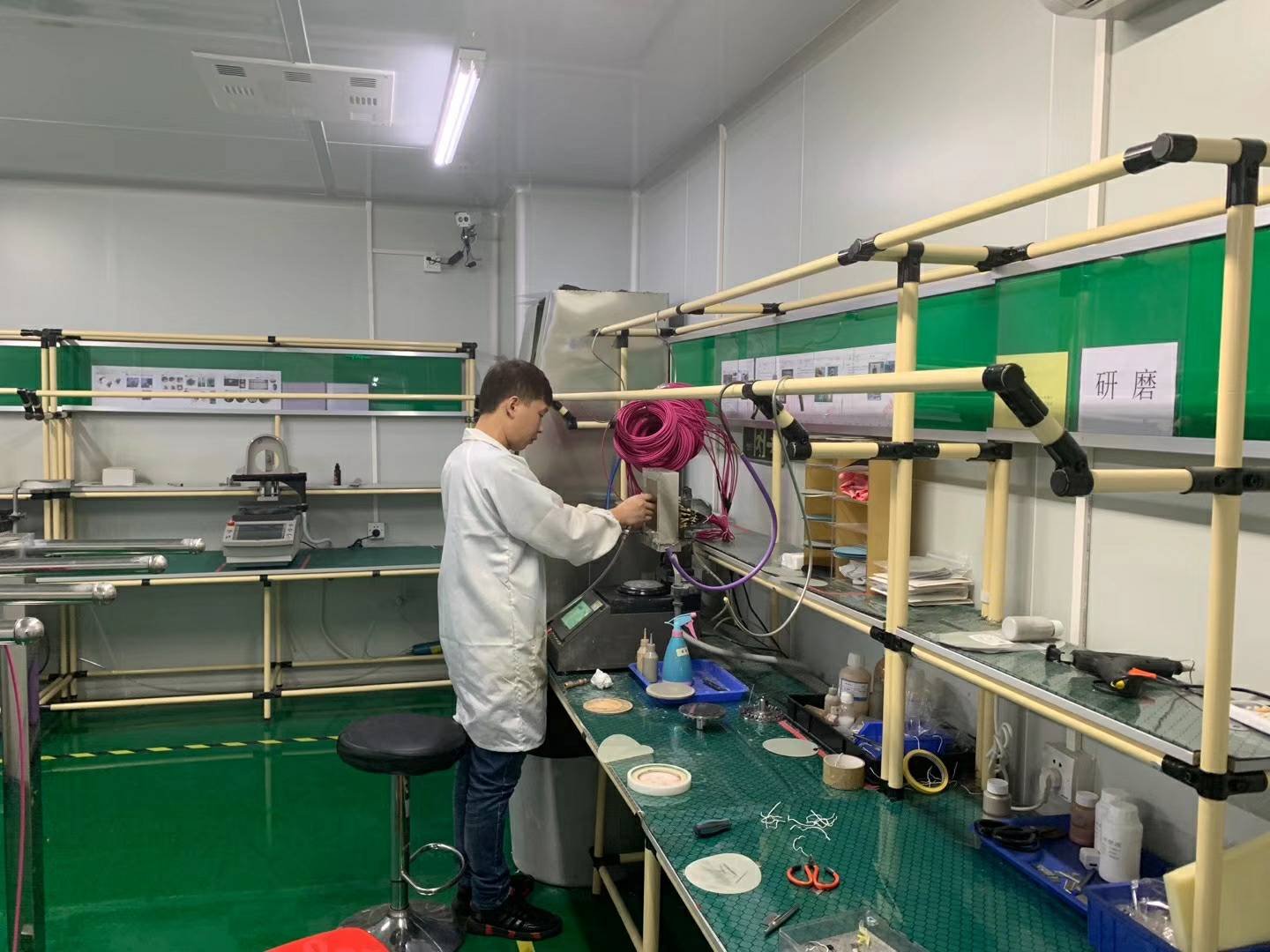
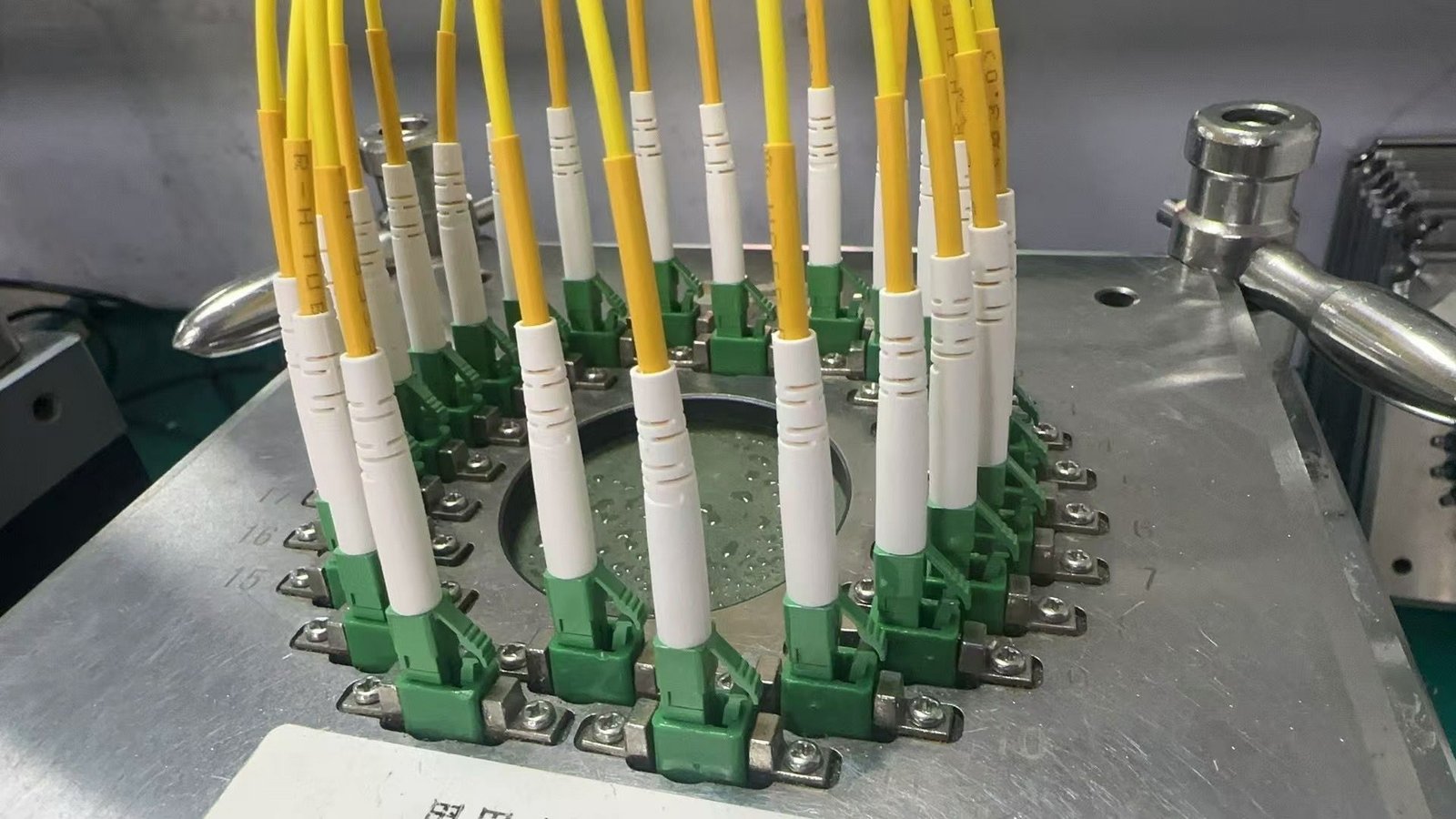
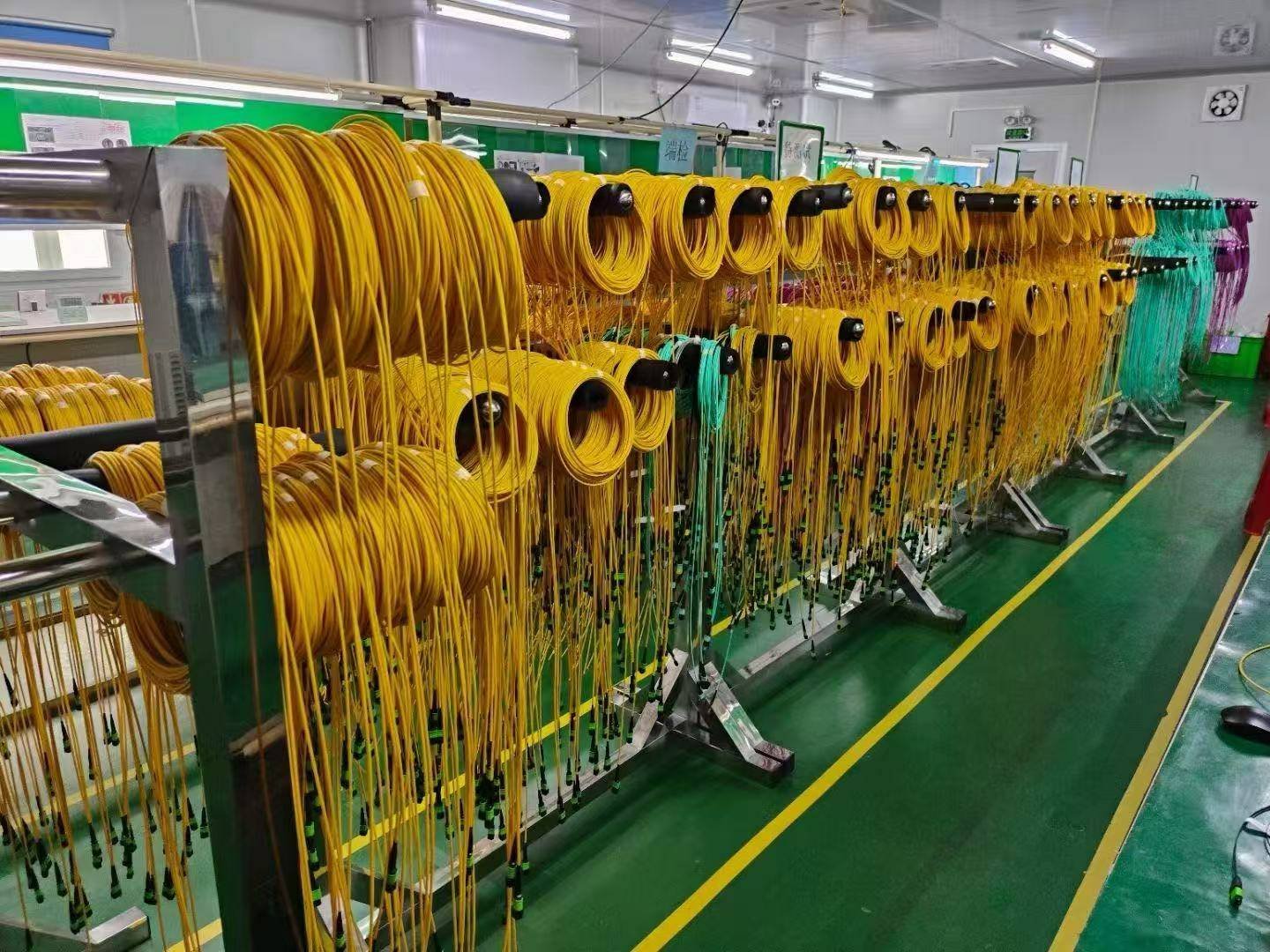
Fiber cable production, connector assembly and testing environments are shown in the factory evidence below.
Configuration control
Confirm interfaces, fiber count, polarity, breakout, jacket, length and labeling before approval.
Documentation scope
Define the inspection, test and project records required for the selected product and order.
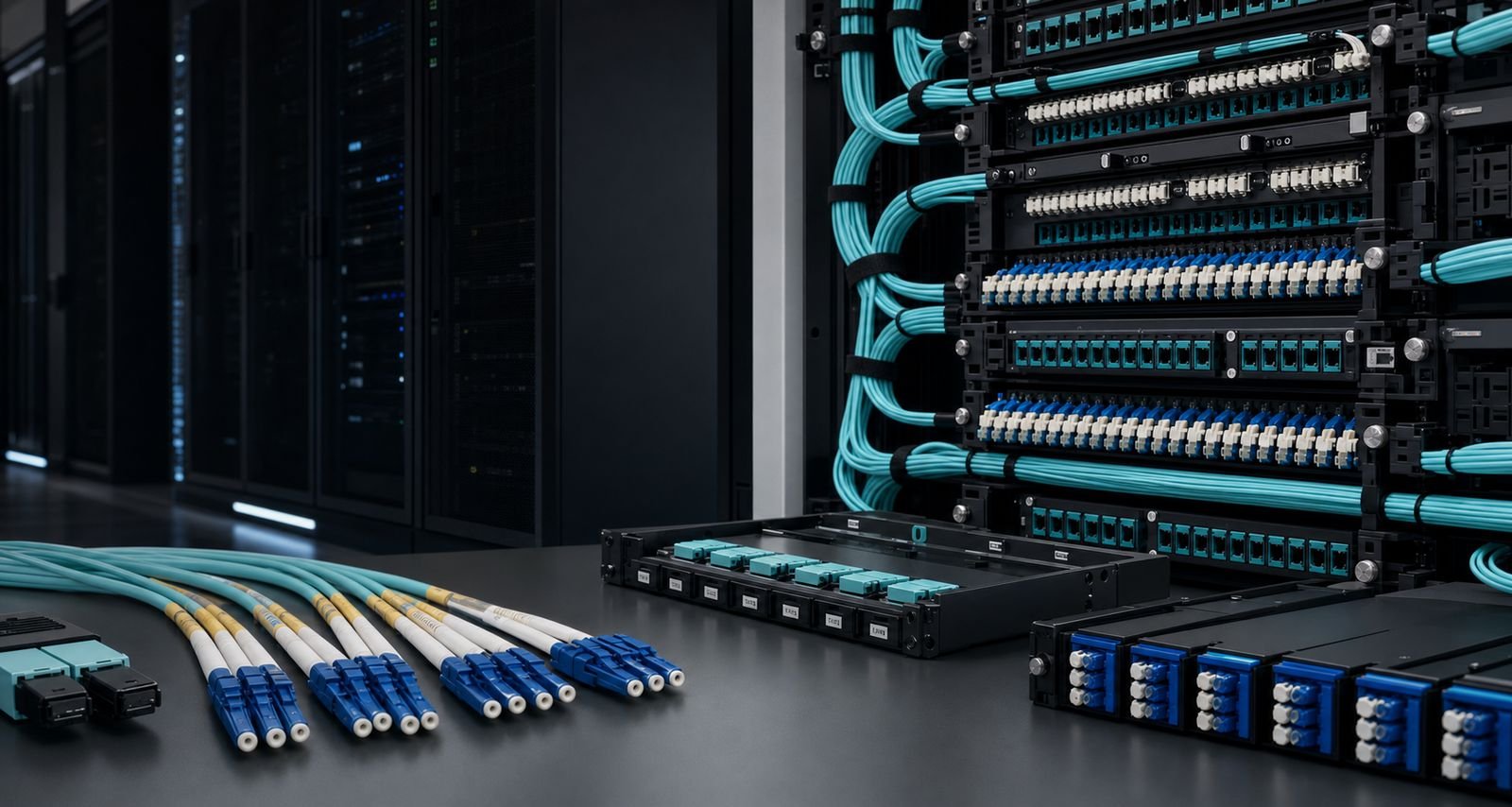
Control the configuration from drawing review to repeat orders.
Link review
Review fiber count, interface, polarity, breakout and route constraints.
Drawing alignment
Align length, labels, cable construction, packaging and approved revisions.
Document plan
Confirm applicable inspection, test and project records during quotation.
Repeat-order control
Reference approved samples, revisions, labels and order identifiers.

Match inspection and records to the approved product.
Testing and documentation are confirmed for the selected product and quotation. Request only the inspection and records that apply to the approved configuration.
Factory and Document Evidence
Review production, assembly and testing environments together with product-specific report examples.
Brand and legal entity
JHT NetFiber is the international brand of Shanghai Jinghaotong Technology Co., Ltd.
Review company detailsManufacturing and coordination
Manufacturing is based in Shanghai, with project coordination from the Shenzhen business office.
Review locationsDocument scope
Drawings, inspection records and test documents are confirmed for the quoted configuration. The published SGS EN 61034 report applies only to the identified G.657.A2 four-fiber sample.
Review document support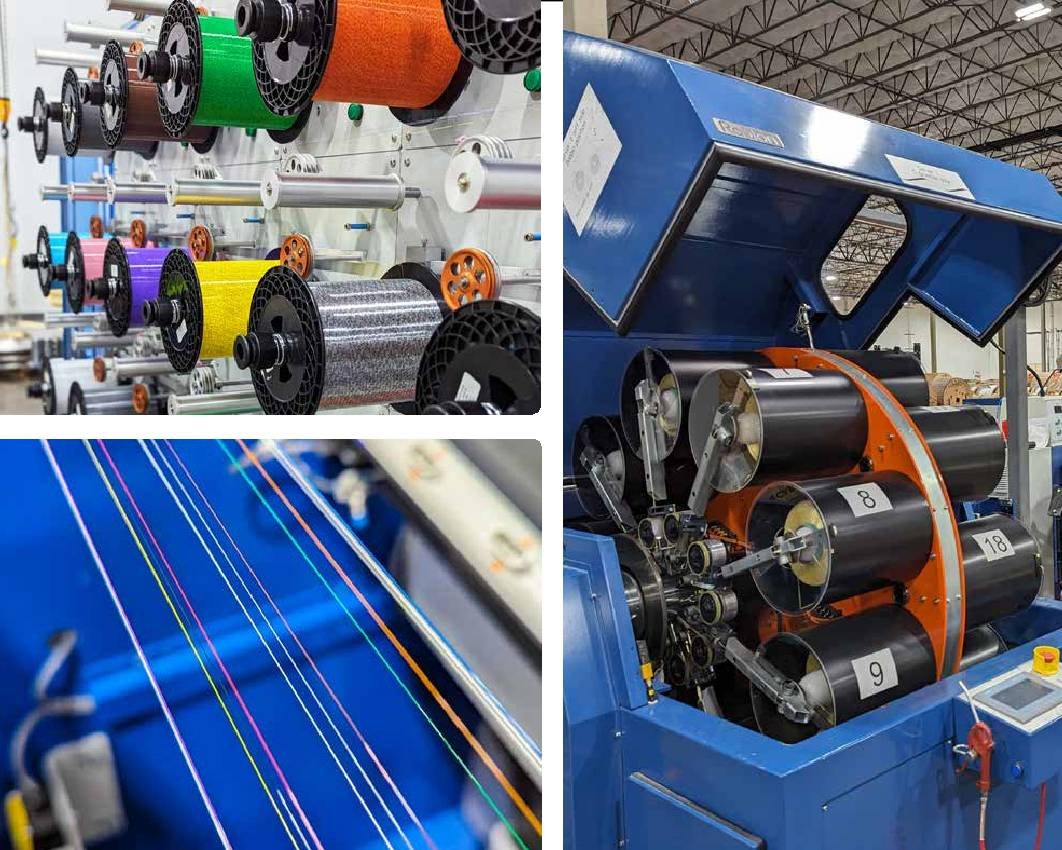
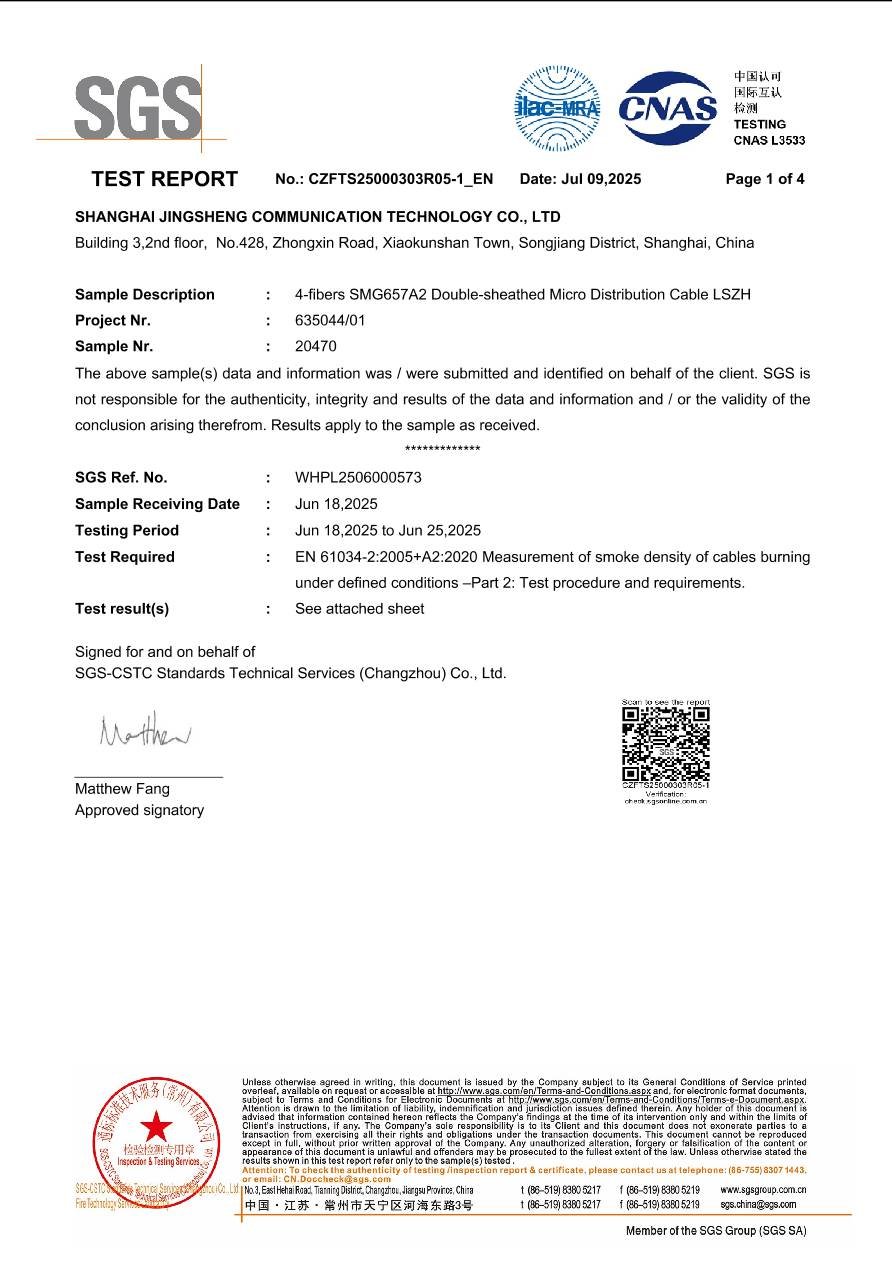 SGS EN 61034 Test Report – Page 1
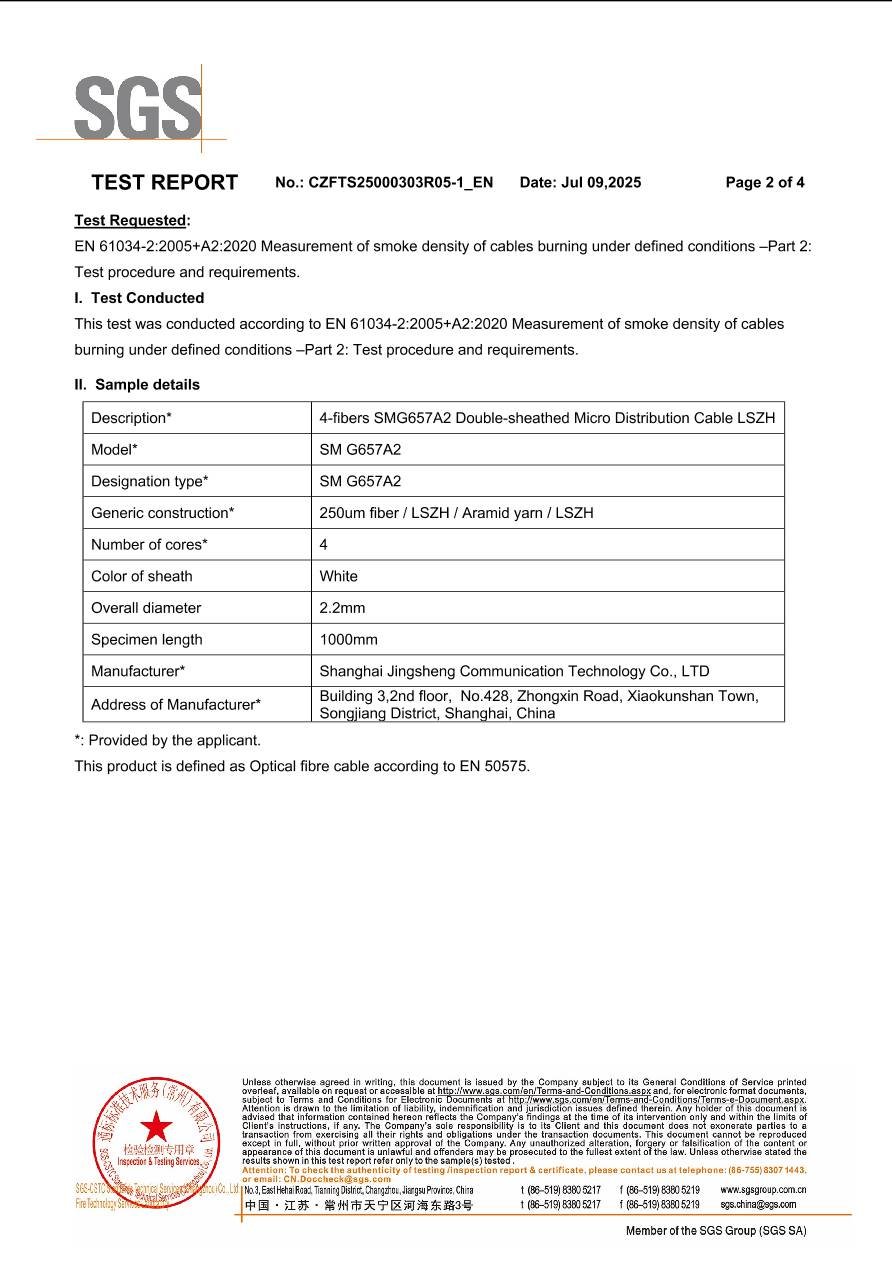 SGS EN 61034 Test Report – Page 2
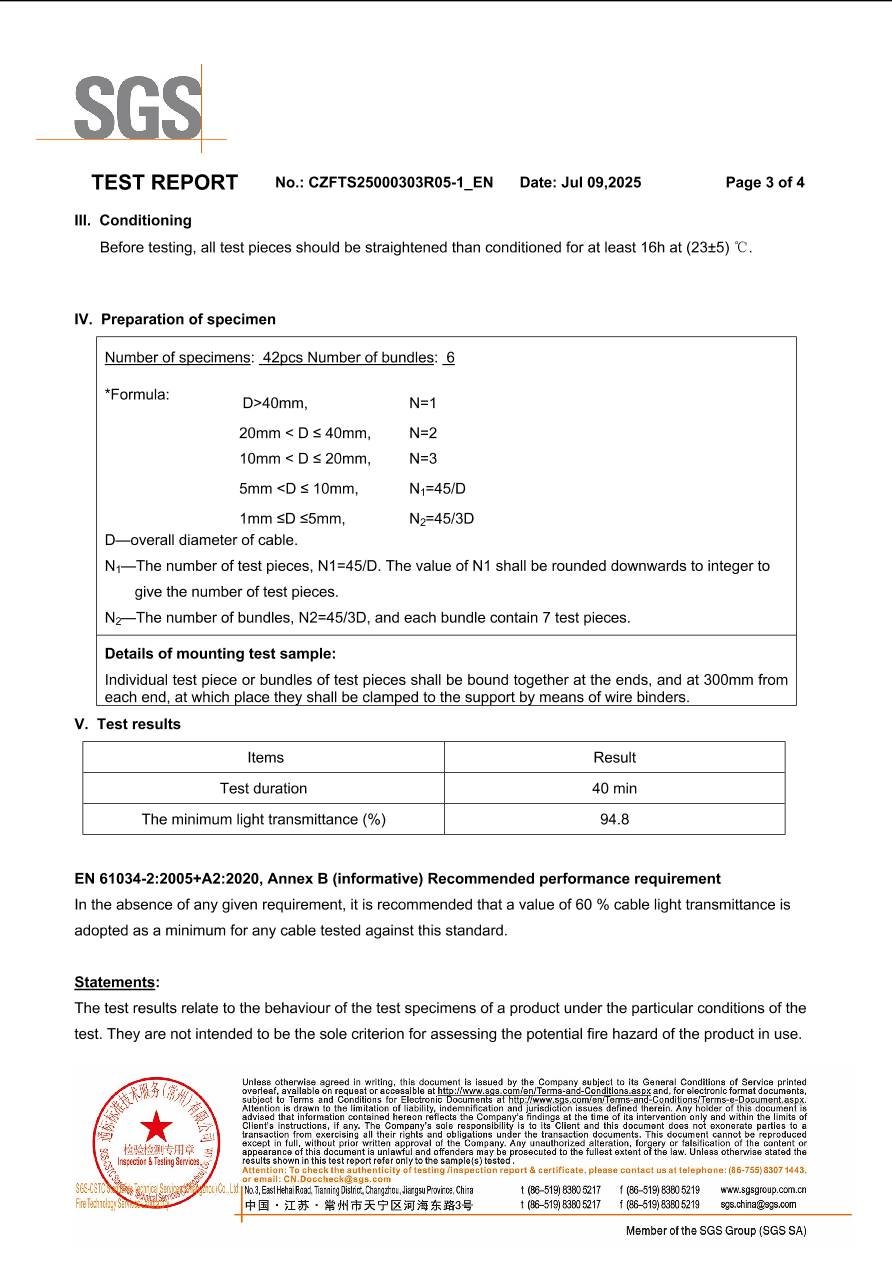 SGS EN 61034 Test Report – Page 3
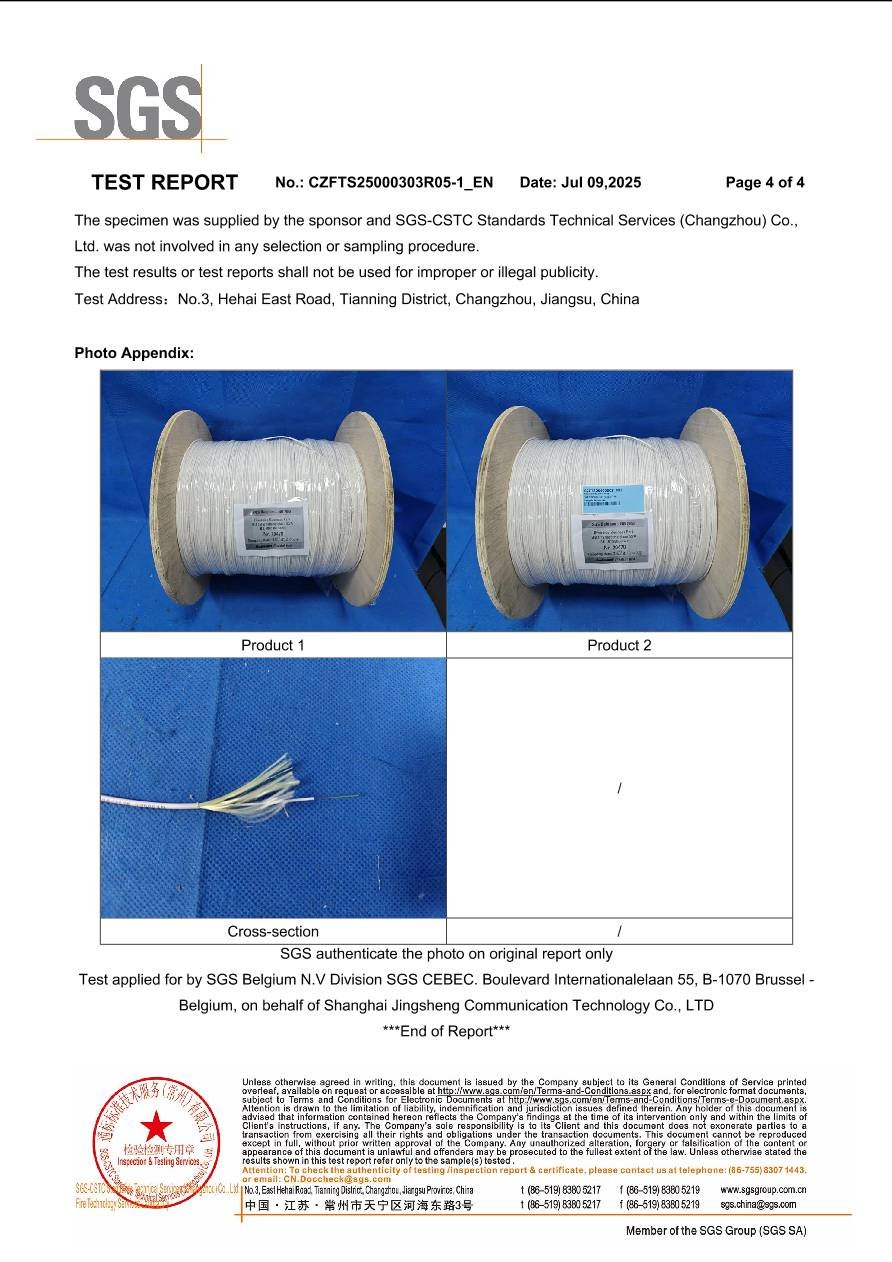 SGS EN 61034 Test Report – Page 4
This SGS EN 61034 report applies only to the tested G.657.A2 4-fiber double-sheathed micro distribution cable sample identified in the report. Review the report number, sample, method, issue date and full result before applying it to a project.
Applications and deployment conditions.
Match MTP/MPO links, patching and high-density fiber cables to the pathway, rack density, capacity and interface plan.

AI & high-performance computing
Dense leaf-spine links and structured migration paths for higher-speed optics.
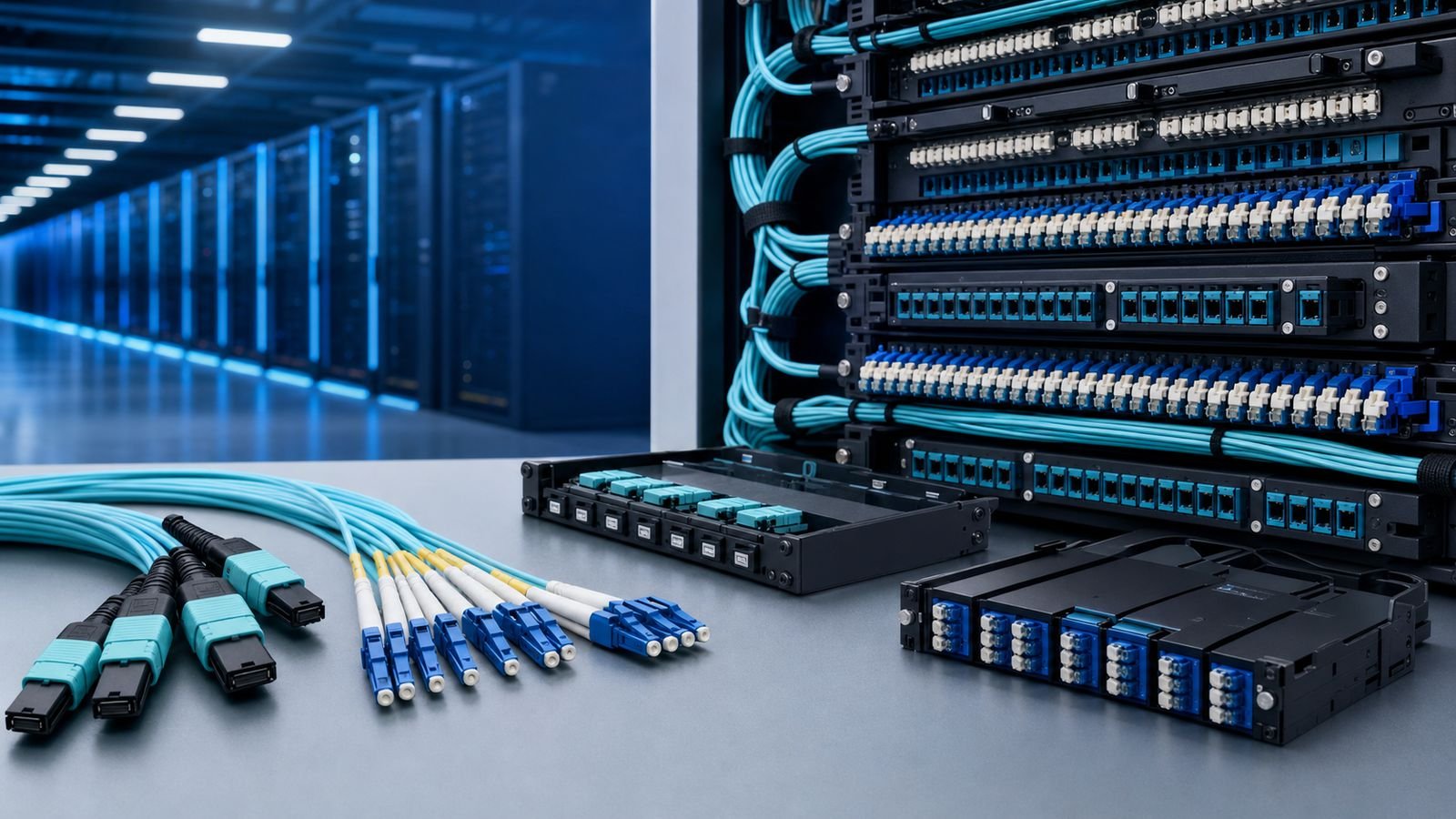
Enterprise data centers
Organized backbone and patching systems for scalable moves, adds and changes.
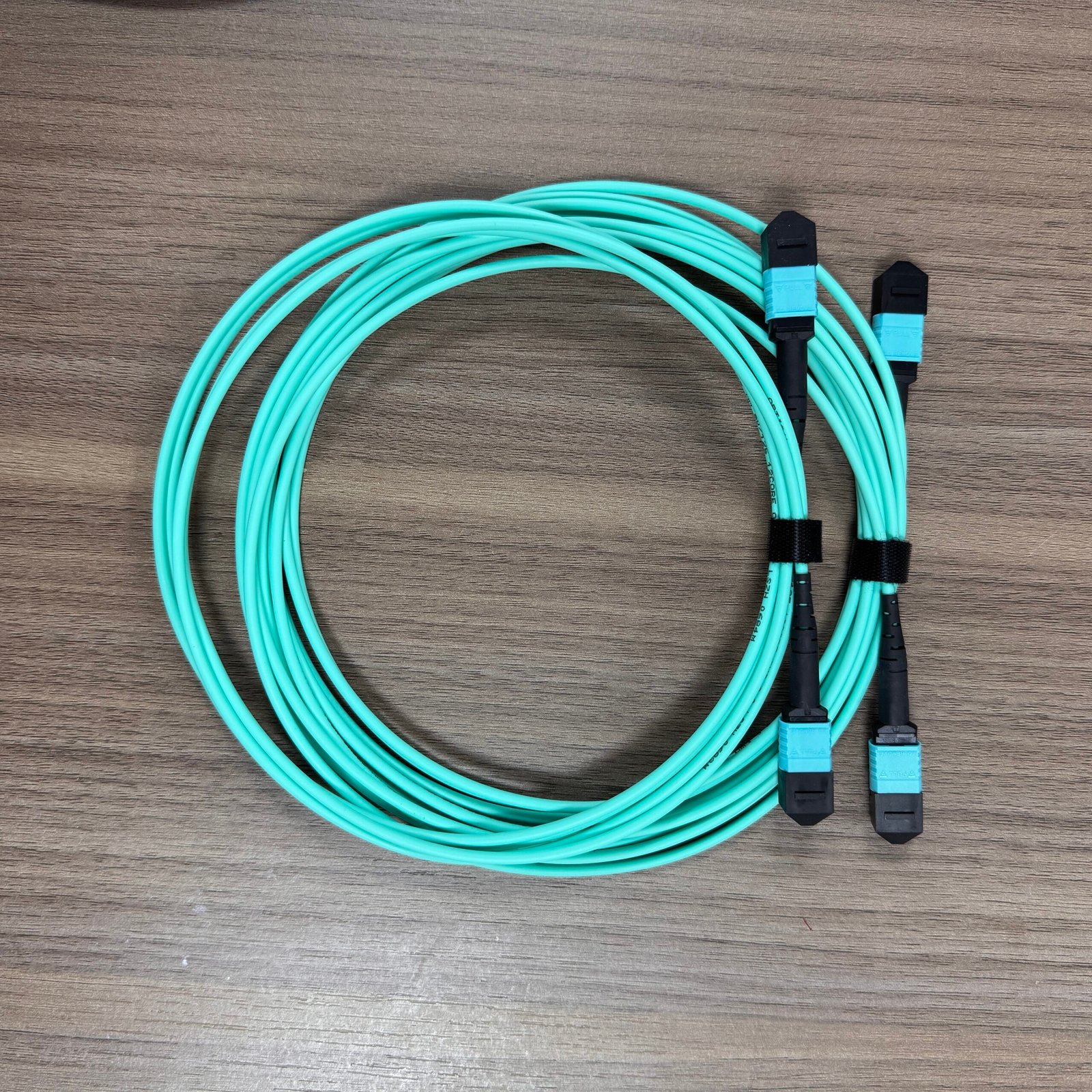
Integrator & OEM projects
Configurable assemblies aligned to drawings, cable schedules and project labels.
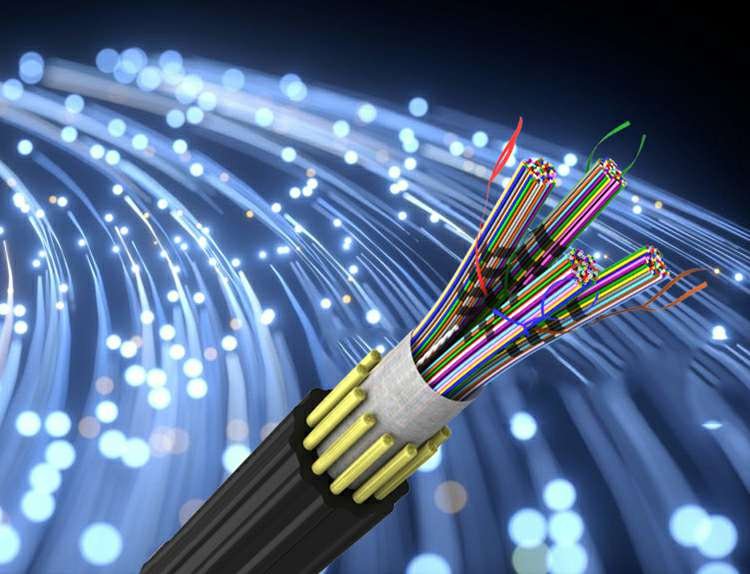
High-Density / Rollable Ribbon Fiber Cables
Compact high-fiber-count cable structures for dense pathways, scalable splicing and backbone capacity.
Reference environments for route and cable selection.
These are deployment reference environments, not customer case claims. Final products, dimensions and installation methods are confirmed against the actual route and approved specification.
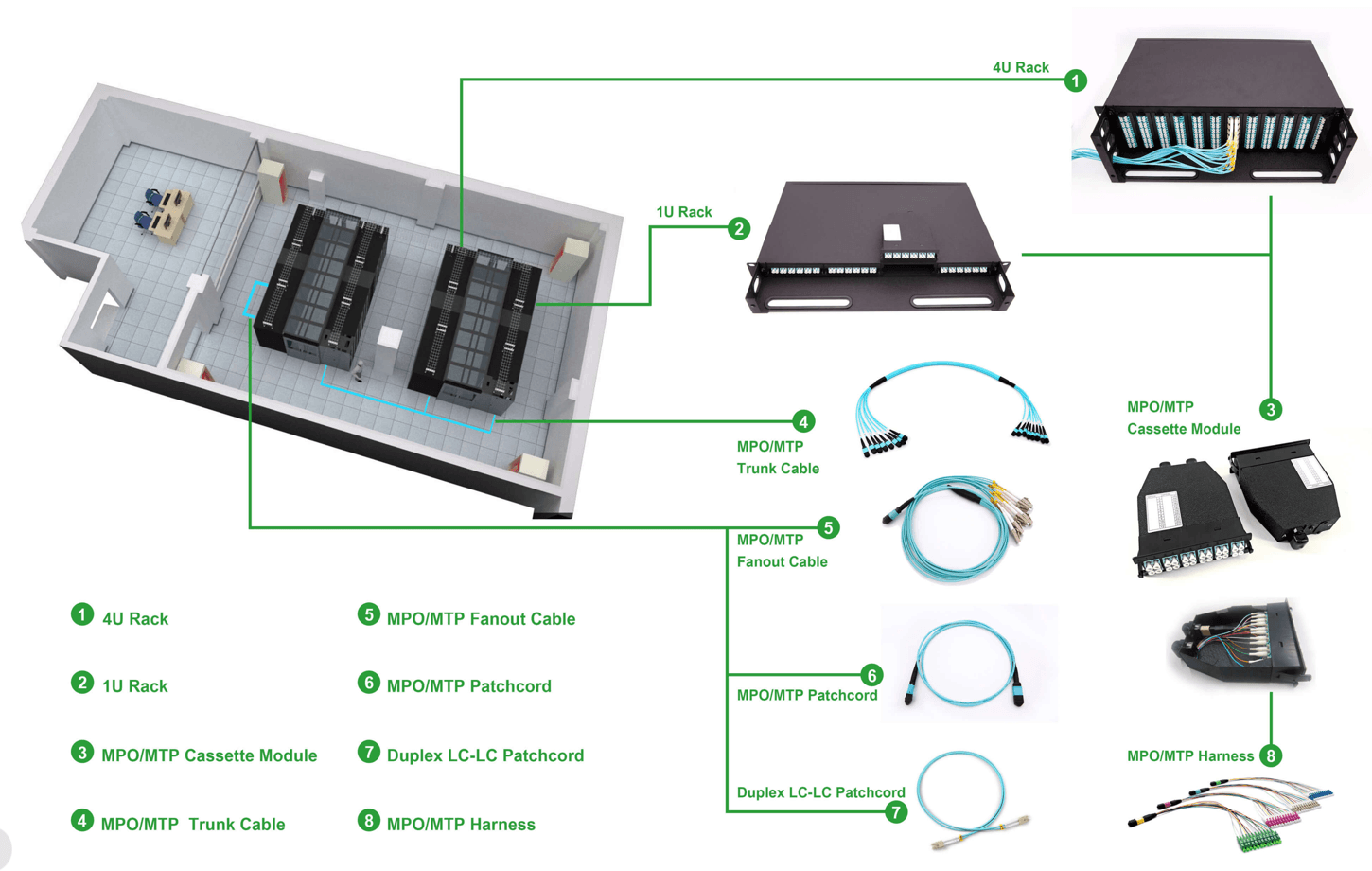
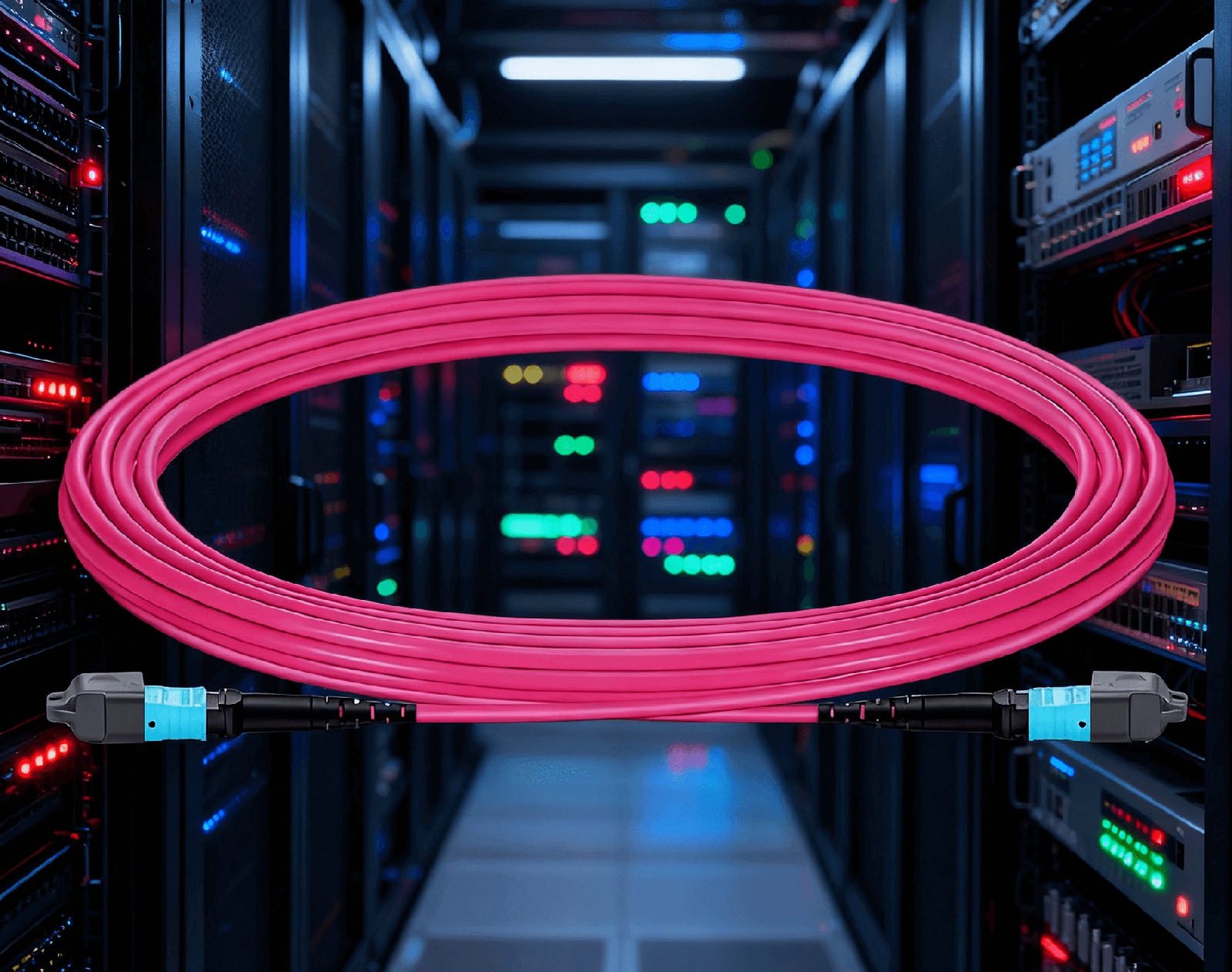
High-Density Data Center Links
Project focus: organize MTP/MPO backbone, LC patching and high-fiber-count routes around rack density, pathway space and migration requirements.
View data center application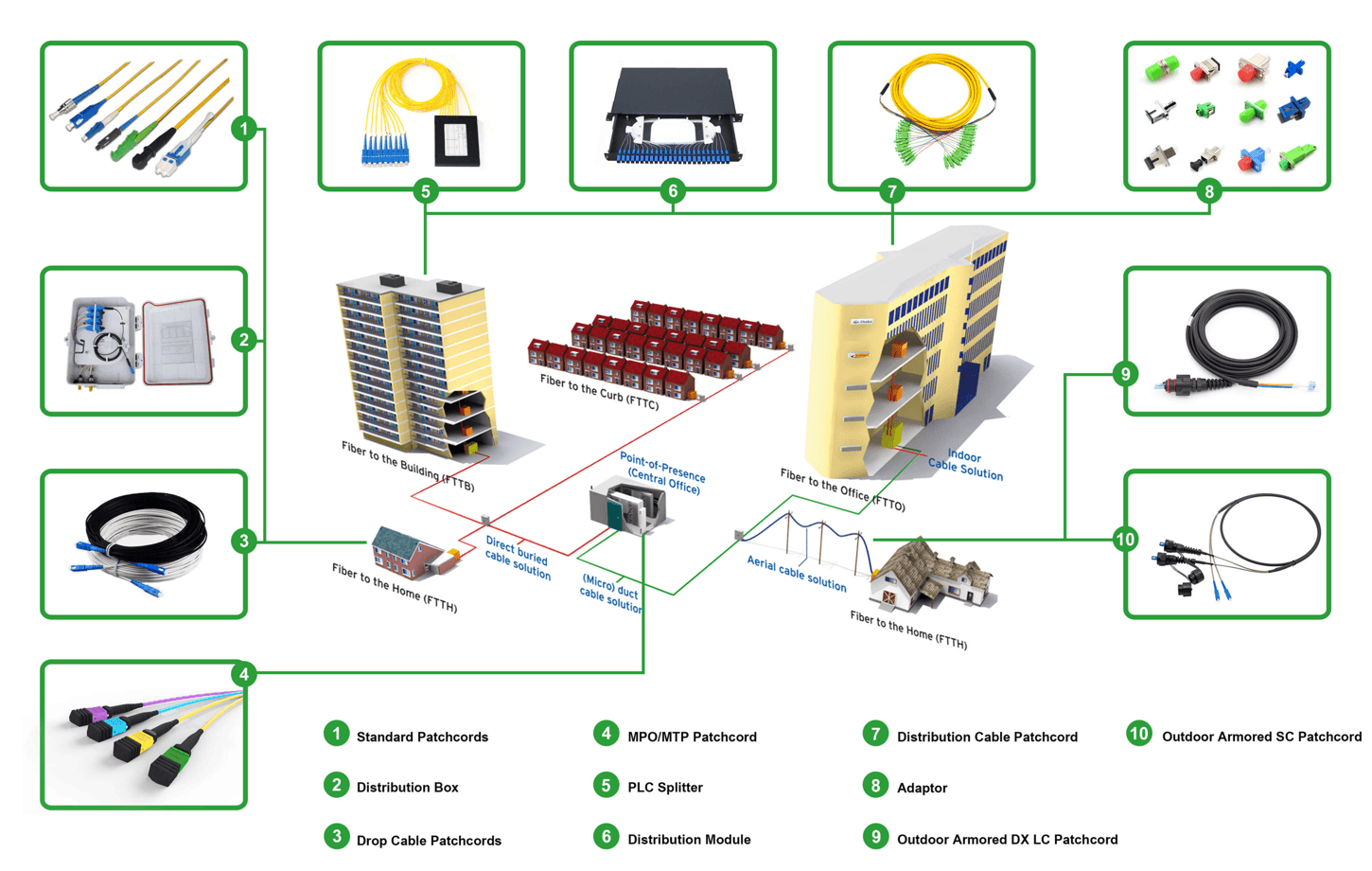
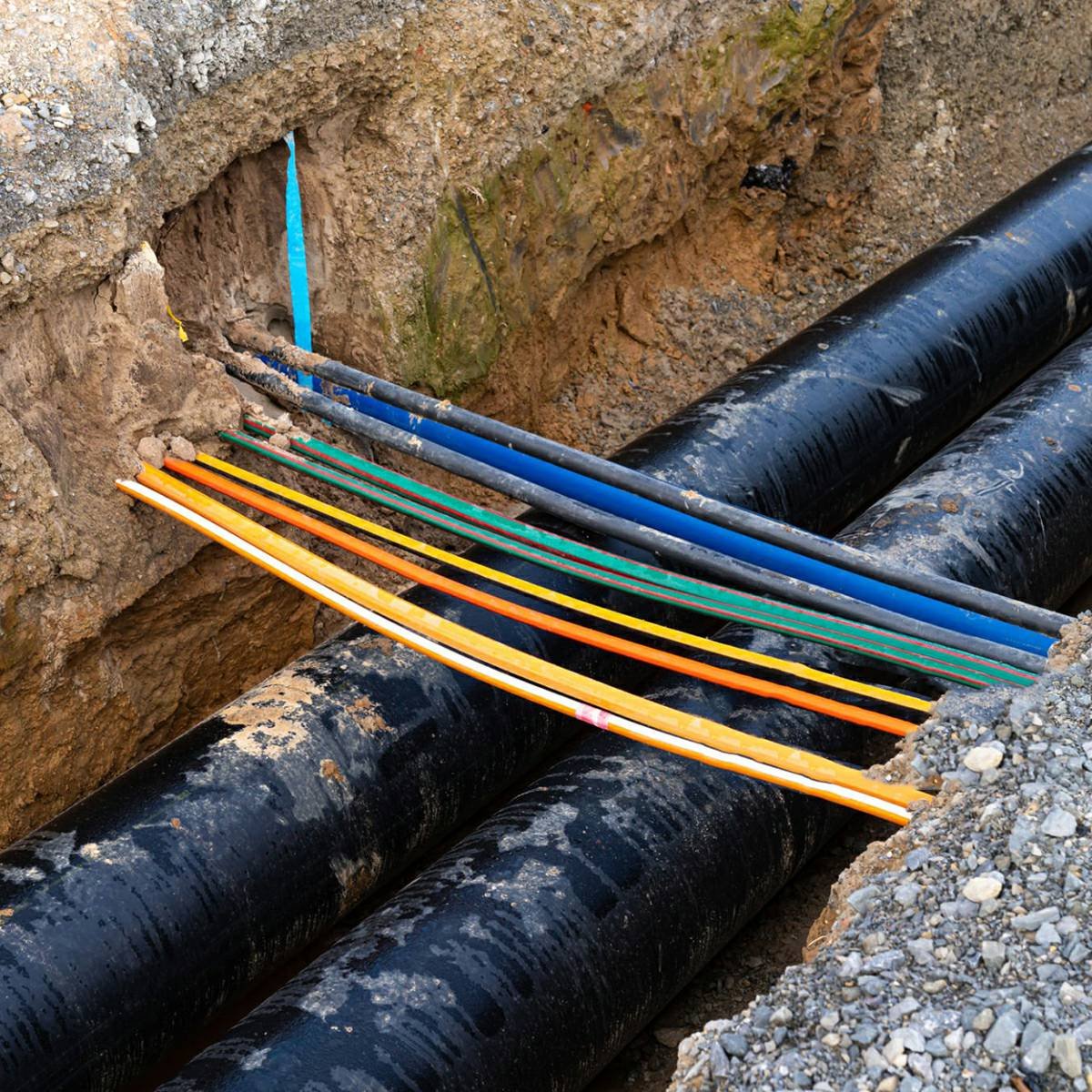
Access Network Distribution
Project focus: connect feeder, distribution and subscriber pathways while defining cable construction, duct capacity and splice locations.
View FTTX application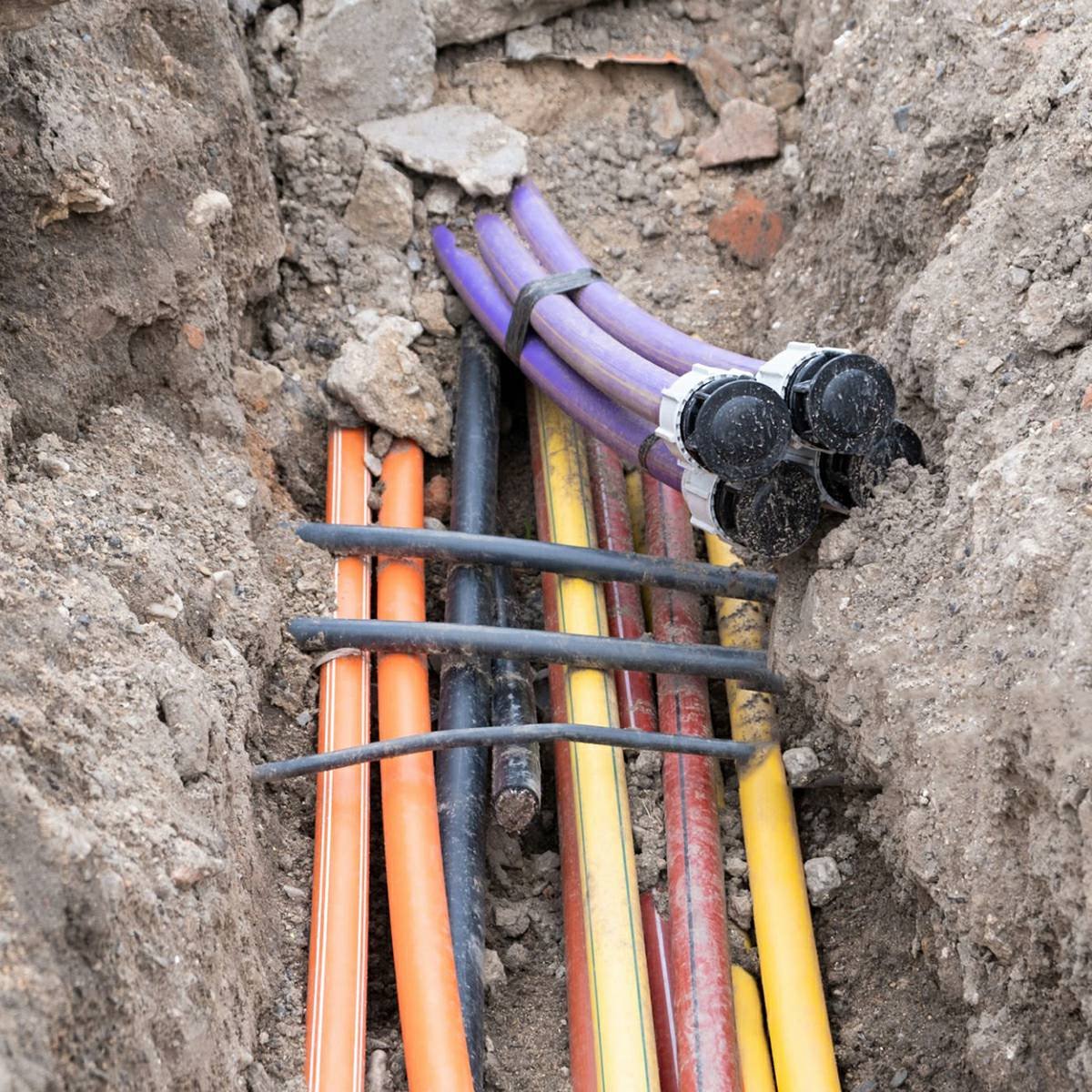
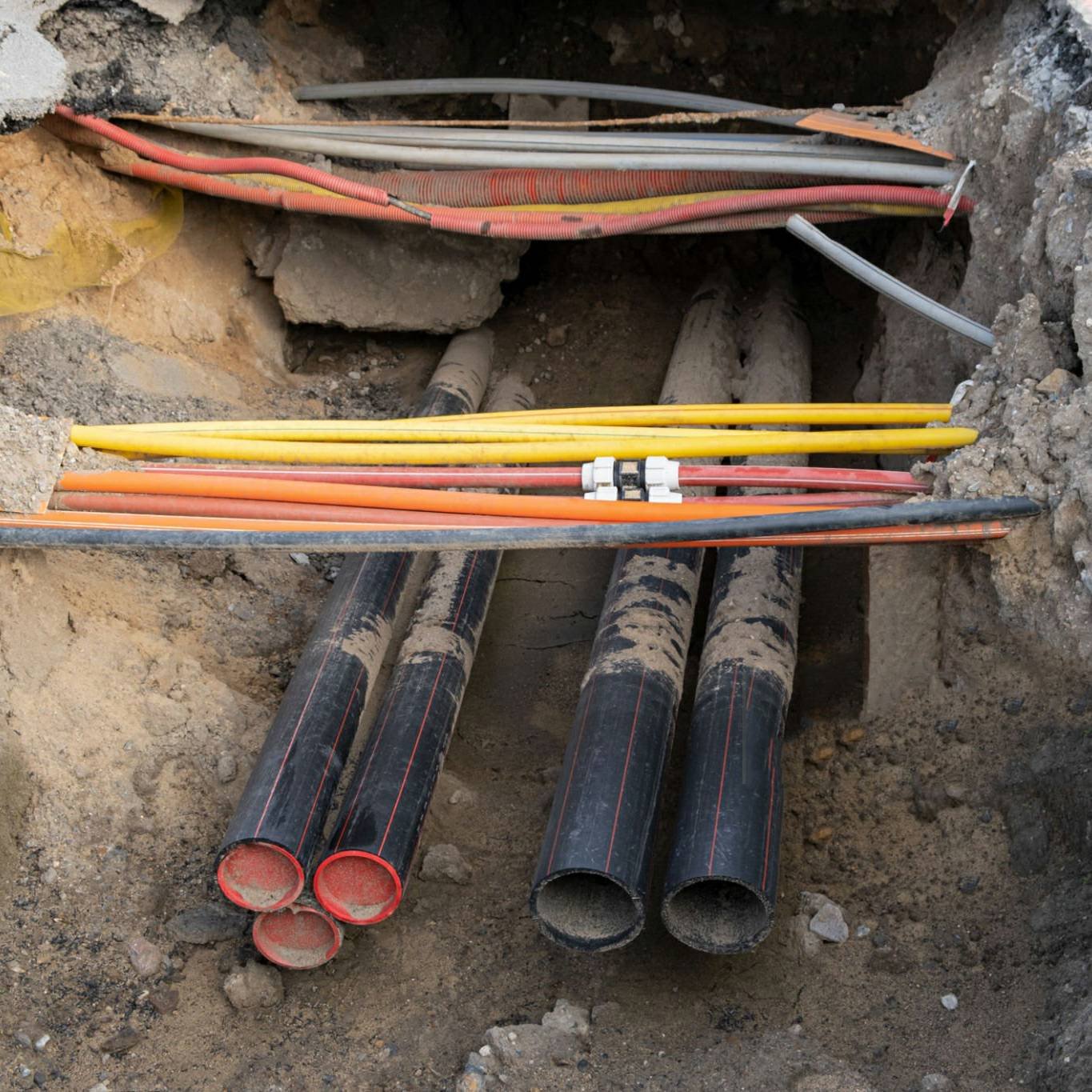
Air-Blown Micro Cable Routes
Project focus: review microduct inner diameter, route length, bends, cable OD, blowing method and delivery length as one system.
Explore micro fiber cables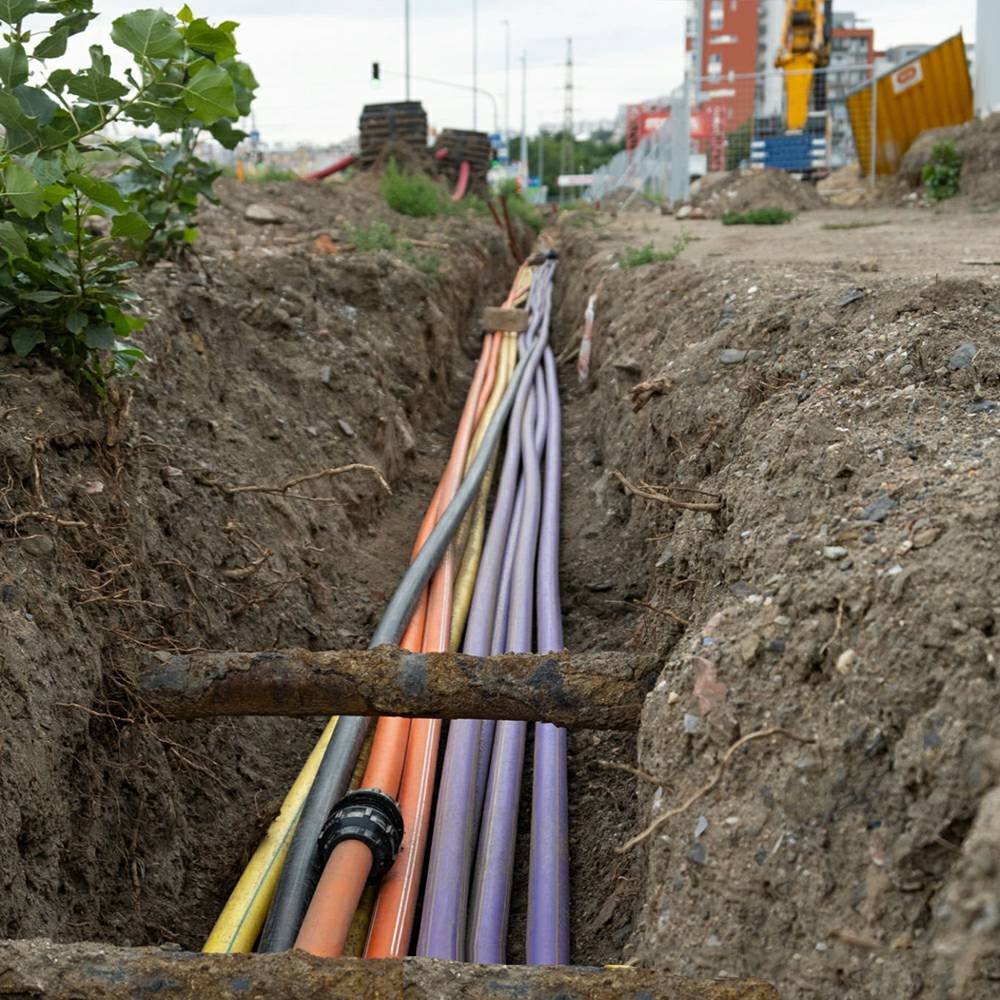

Underground Backbone Pathways
Project focus: confirm route exposure, duct occupancy, water blocking, armor, tensile requirements and access points before cable selection.
Explore high-density cablesFrom specification review to production and shipment.
Each order follows an approved configuration. Sample availability, preparation time and production lead time are confirmed after the specification, quantity, materials and required documents are reviewed.
Share the requirement
Send the application, optics, data rate, fiber type, quantity, target length and delivery country.
Review the configuration
Confirm connector, gender, polarity, breakout, jacket, labeling and route constraints.
Confirm quotation and sample plan
Sample availability, cost and preparation time are confirmed for the selected configuration.
Approve the specification
Approve the sample or drawing together with the required inspection and test documents.
Production, testing and packing
Production and QC follow the approved specification, labels and packaging requirements.
Shipment and repeat-order control
Shipment timing is confirmed for the order, while approved revisions remain available for repeat-order reference.
Technical resources for high-density data center fiber decisions.
MPO-16 to LC Breakout Trunks for 800G
Review fiber mapping, polarity, insertion-loss planning and procurement inputs for 800G AI cluster links.
Read the 800G guideRollable Ribbon Cable for AI Data Center Backbones
Review pathway density, cable construction, fire-rating options and sourcing checkpoints.
Read the backbone guideMore Technical Guides
Browse published selection, architecture and procurement resources from JHT NetFiber.
Browse all guidesQuestions buyers ask before requesting a quote.
Review the information required for configuration, testing, customization, samples and quotation.
What information should an MTP/MPO cable RFQ include?
Include the application or data rate, fiber type, fiber count, connector type and gender, polarity, cable length, jacket requirement, quantity, labeling and required test documentation. A drawing or cable schedule can reduce ambiguity.
Can JHT review a drawing or cable schedule?
Yes. JHT NetFiber can review project inputs to clarify connector interfaces, polarity, breakout structure, lengths and labeling before a quotation is finalized.
Are test reports available?
Testing and documentation requirements should be confirmed for the specific product and quotation. Buyers can request relevant optical test, polarity, inspection or project records during RFQ review.
Does JHT support custom configurations?
JHT can evaluate project-specific lengths, connector combinations, polarity, cable construction, labels and packaging. Feasibility and commercial terms are confirmed during quotation.
How do I choose between Base-8, Base-12 and Base-16?
The choice depends on the transceiver interface, current channel plan, fiber utilization and migration strategy. Share the optics and target data rate so the complete link can be reviewed rather than selecting by fiber count alone.
How are samples and production lead times confirmed?
Sample availability, cost and preparation time depend on the selected configuration. Production lead time is confirmed after the specification, quantity, materials, documentation and delivery requirements are reviewed.
Send Your Cable Specification for Technical Review.
Include the application, fiber type, fiber count, interfaces, length, quantity and delivery country. Add a drawing or cable schedule when available.
Email: info@jhtnetfiber.com
WhatsApp: +86-15986712587