
Micro Fiber Cables for High-Capacity Microduct Networks
Compact multi-loose-tube fiber cables engineered for air-blown installation in microduct pathways. Configure fiber count, cable diameter, sheath, tensile performance and delivery length around the actual route.
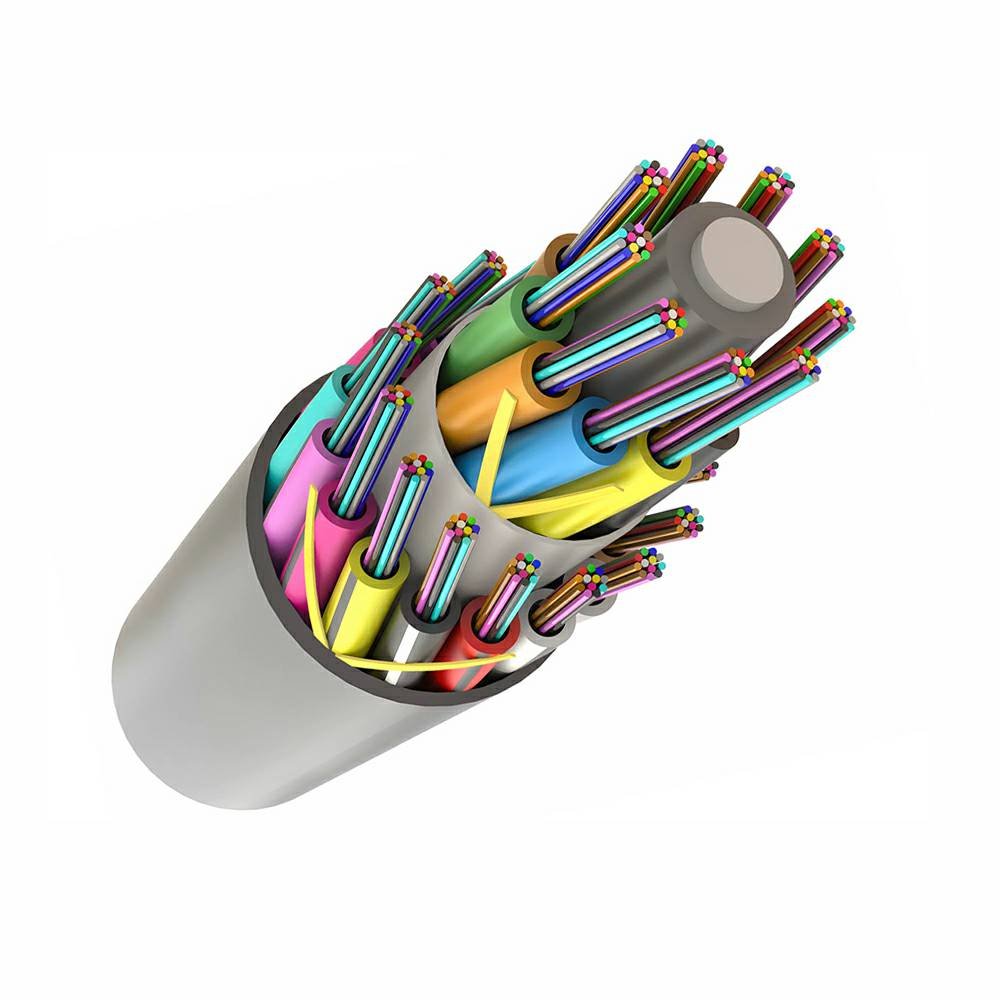
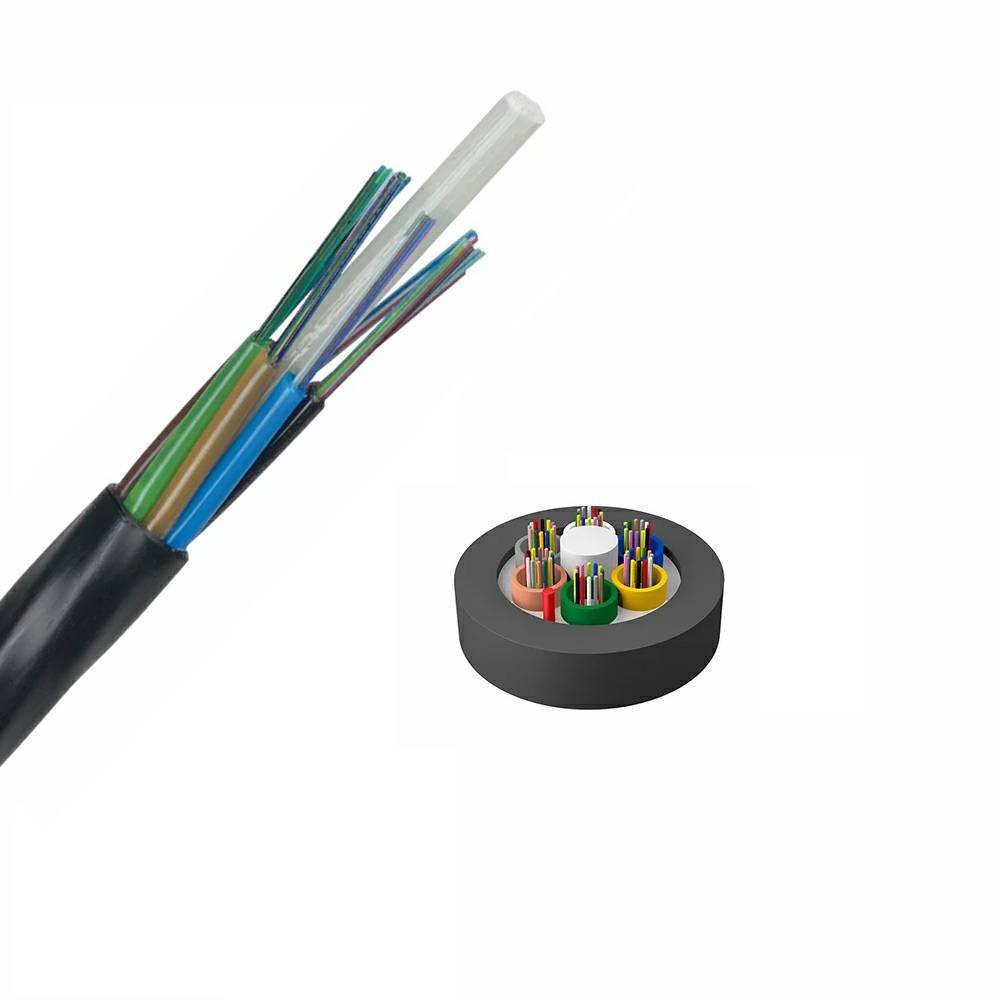
More network capacity in constrained duct space.
Micro fiber cable reduces the outside diameter required for a given project design, helping operators use microduct pathways efficiently and reserve space for future expansion. Multiple loose tubes organize and protect the fibers inside the compact cable.
- Compact outside diameter for compatible microduct systems.
- Lightweight construction supports air-blown deployment.
- Distinct loose-tube units simplify fiber identification.
- Water-blocking and sheath options are selected for the route.
Match the cable to the duct and installation method.
A reliable selection starts with the pathway. JHT NetFiber reviews the microduct size, route geometry, blowing distance, fiber plan and environmental conditions before confirming the cable construction.
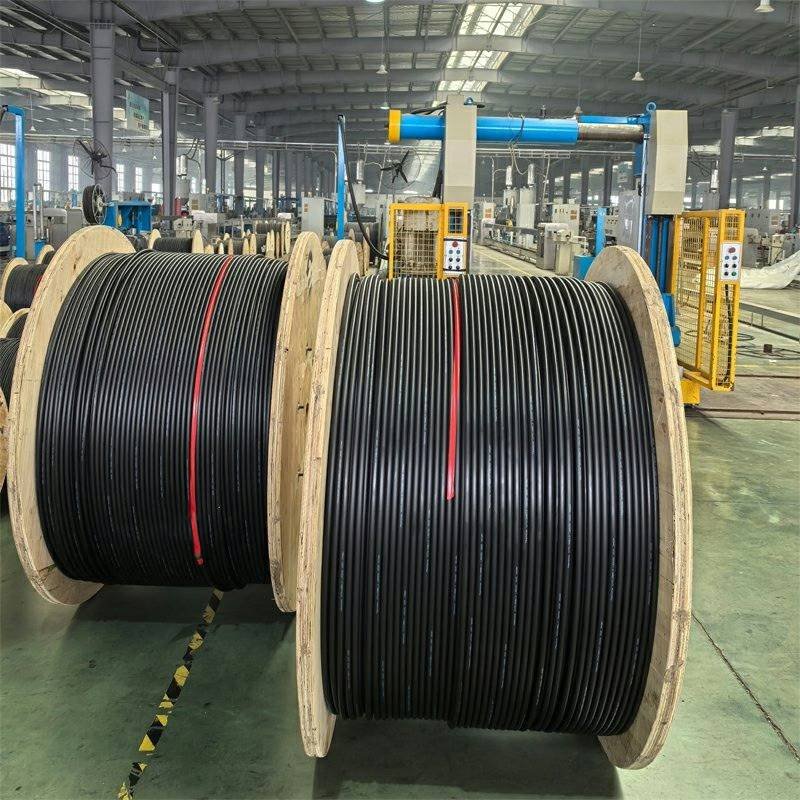
High-fiber-count micro cable
The illustrated 288-fiber design shows how multi-loose-tube construction can organize high counts in a compact format.
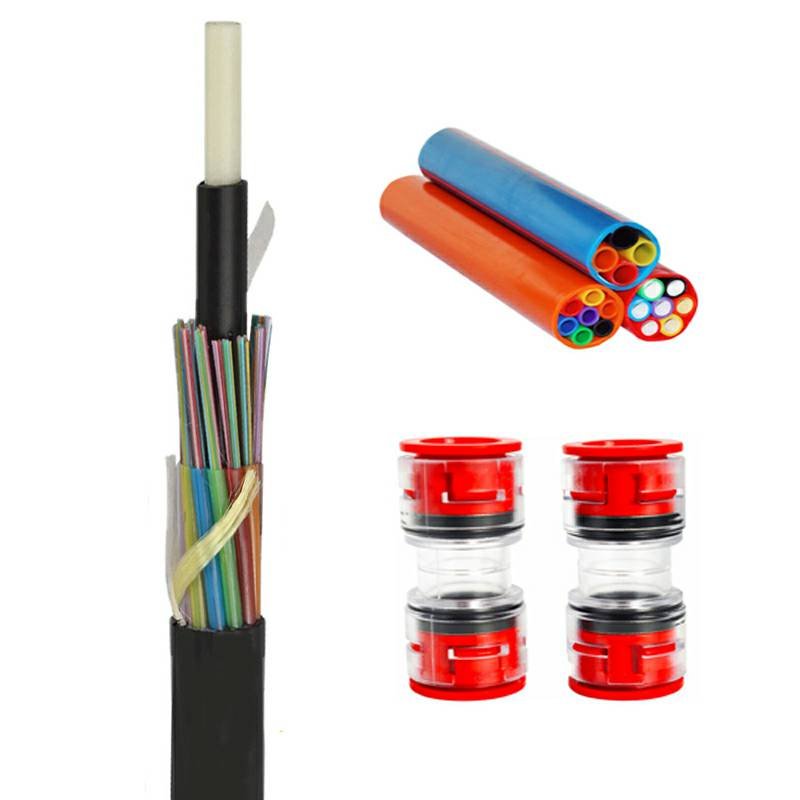
Air-blown microduct system
Cable OD, duct inner diameter, route length, bends and blowing equipment must be reviewed together.
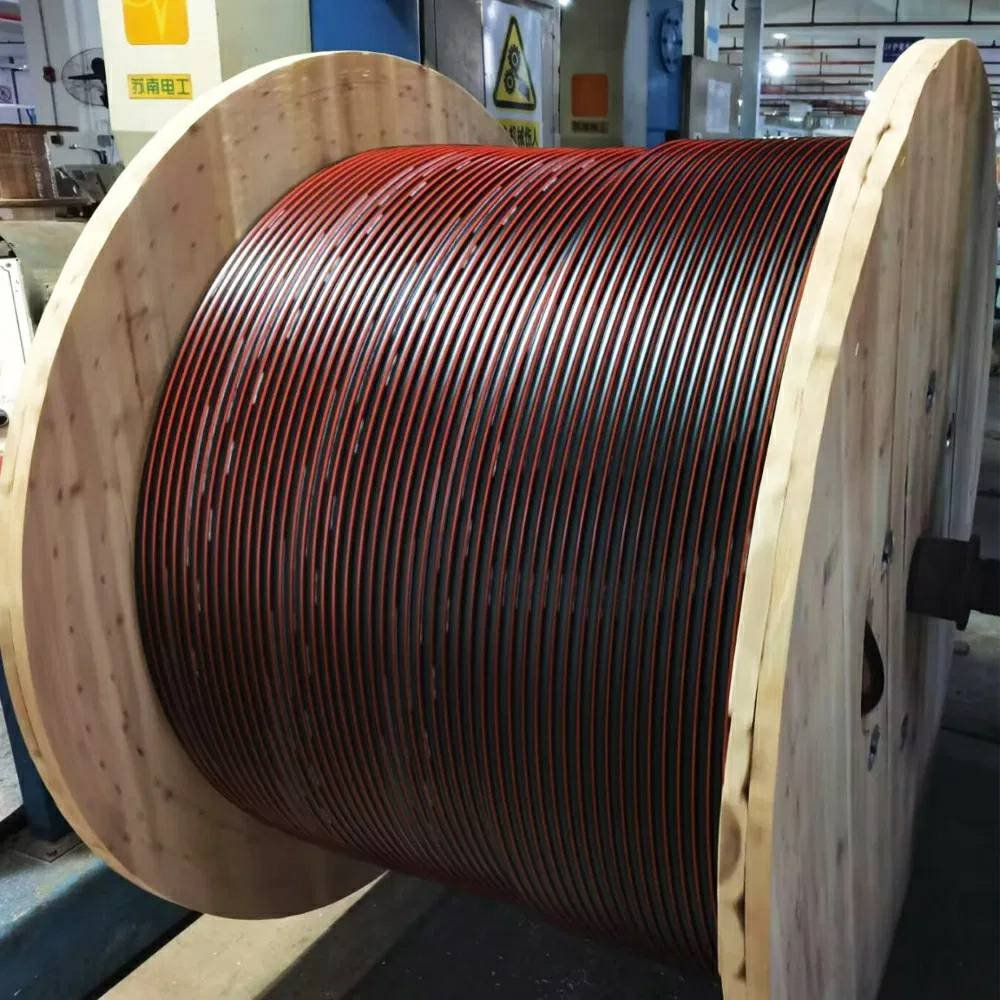
Reel and route planning
Delivery length, pulling access, splice locations and site handling should be confirmed before production.
Four inputs clarify the specification.
Provide practical route data so the quotation reflects installation needs rather than only a nominal fiber count.
From factory reel to protected project shipment.
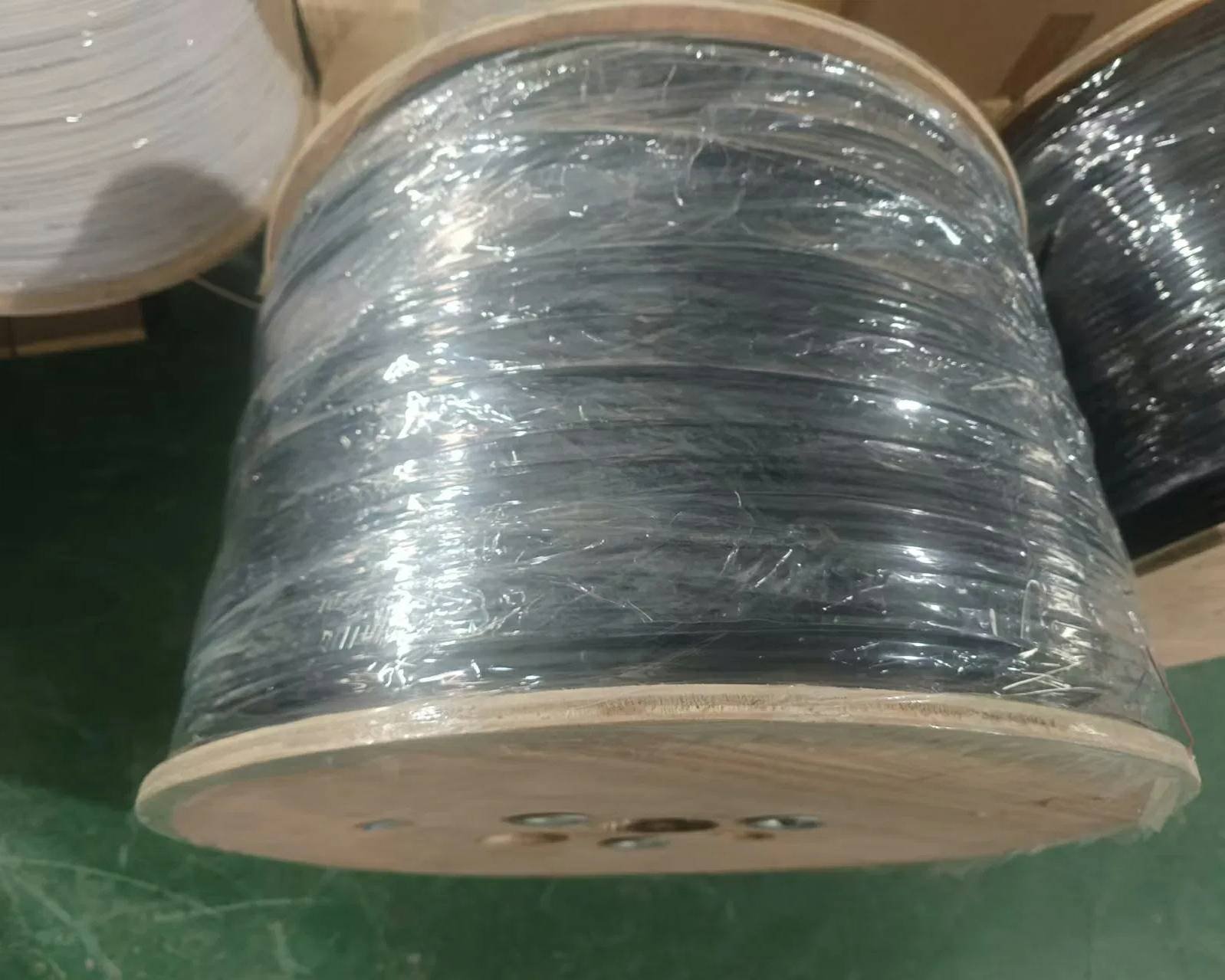
Packaging is part of installation planning. Reel dimensions, cable length, end protection, labeling and shipping requirements are confirmed with the project specification.
Designed around the complete air-blown route.
Successful micro cable installation depends on the interaction between cable, duct and equipment. The route should be checked for duct continuity, internal cleanliness, bend conditions, access points and the intended blowing method.
- Confirm cable-to-duct dimensional compatibility.
- Review bends, elevation changes and planned blowing distance.
- Define intermediate access and splice locations.
- Agree acceptance testing and reel documentation.
Compact fiber routes for access, metro and backbone networks.
Metro duct networks
Increase usable fiber capacity within planned microduct infrastructure.
FTTx feeder routes
Support staged deployment and future cable additions through available ducts.
Campus & data center links
Connect buildings and facilities where pathway space requires compact cabling.