
MTP/MPO Patch Panels for Structured High-Density Fiber Management
Rack-mount and modular housings used to organize MTP/MPO cassettes, adapters, trunks and front-panel patching.
An MTP/MPO patch panel provides the mechanical platform for terminating, organizing and accessing high-density fiber links. Selection begins with rack space, module format, port density, cable entry and service-access requirements.
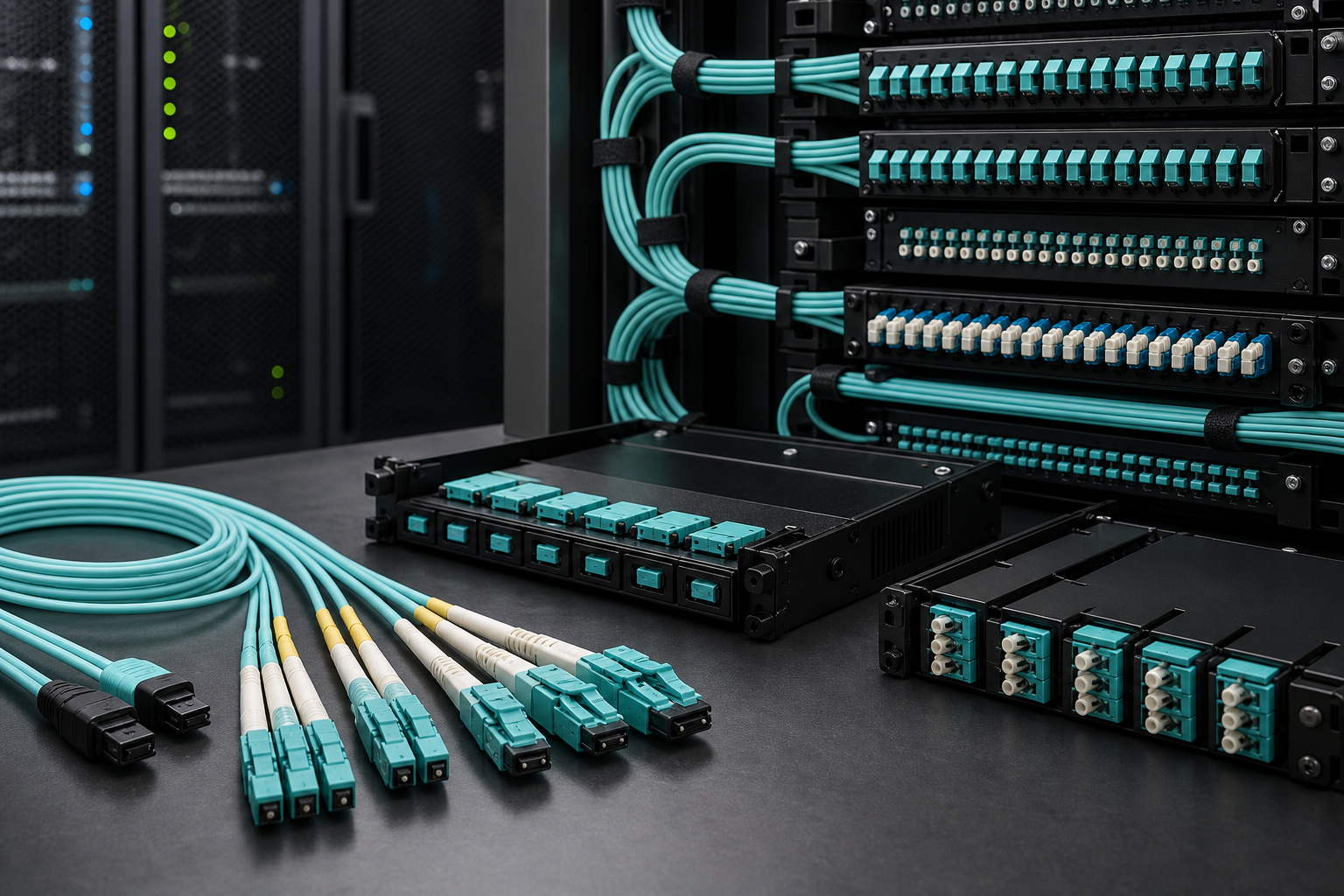
Where this product fits in the MTP/MPO system.
Evaluate the product as part of the complete link rather than as an isolated component.
Structured termination
Organize backbone and patching interfaces in a defined rack location.
Modular capacity
Select compatible cassettes or adapter plates around the required link count.
Service access
Plan front patching, rear cable entry and future moves, adds and changes.
Define these fields before requesting a quote.
Final availability, compatibility and test requirements are confirmed against the selected construction.
| Configuration field | Available direction | Why it matters |
|---|---|---|
| Rack format | Rack units and mounting environment | Must match available cabinet space. |
| Module capacity | Cassette or adapter-plate slots | Determines supported link density. |
| Front interface | Adapters, cassettes or mixed modular layout | Defines the technician-facing patch field. |
| Rear cable entry | Direction, gland and strain-relief requirements | Protects incoming trunks and routing. |
| Access method | Fixed, sliding or project-specified direction | Affects installation and maintenance access. |
| Cable management | Internal routing, bend control and front management | Supports organized, serviceable links. |
| Loading and labels | Empty, partially loaded or project-defined | Clarifies what is included in the supplied panel. |
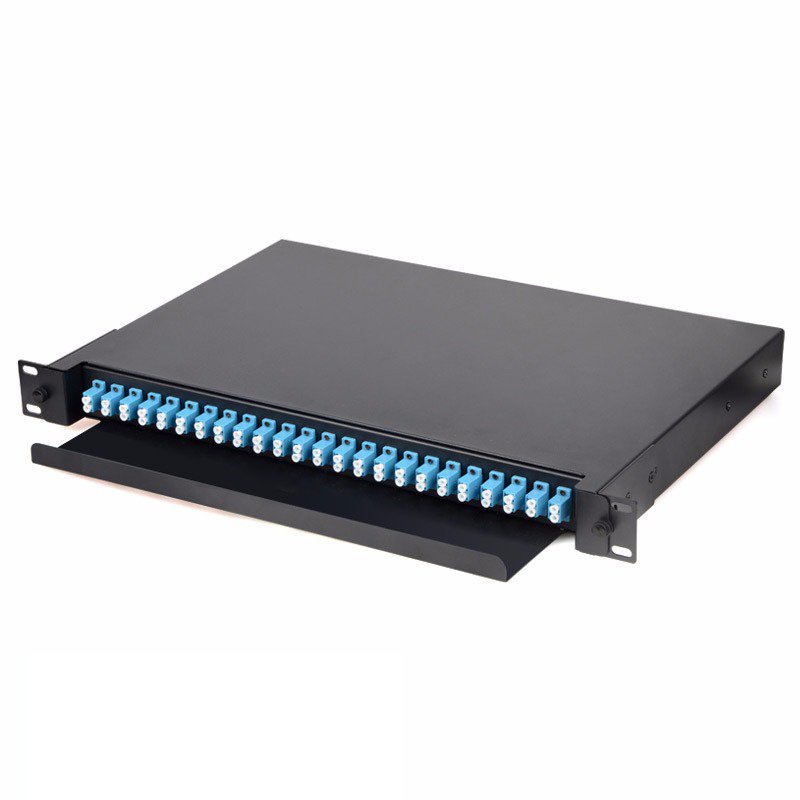
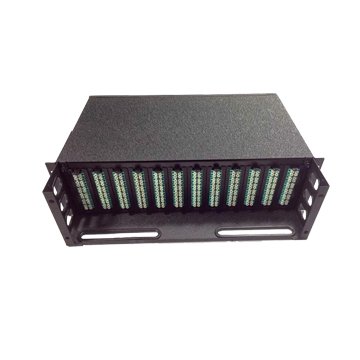
Review representative product constructions.
Images show product directions from the supplied JHT material set. Confirm the exact construction and appearance for the quoted item.
Move from application requirement to an approved configuration.
Share the system context first, then confirm interfaces, physical construction and approval evidence.
Share the application
System role, equipment interfaces, quantity and deployment environment.
Define configuration
Fiber, connectors, mapping, mechanical format, length and labels.
Review compatibility
Check related trunks, modules, panels, patching and equipment interfaces.
Agree approval evidence
Confirm sample, inspection and applicable test-document requirements.
Questions to resolve before ordering.
Answers are intentionally scoped to product selection; final specifications are confirmed during RFQ review.
How should patch-panel size be selected?
Start with current link count, module density, rack space, access method and expected expansion.
Should the panel be ordered loaded or unloaded?
That depends on whether the project requires a complete configured assembly or a modular housing for staged deployment.
What must match between a panel and cassette?
Module dimensions, retention method, rear clearance, front access and fiber-routing space must be compatible.
What information helps JHT review a panel RFQ?
Provide rack format, required ports or fibers, module type, front interfaces, cable entry, access method, loading level and label plan.